
Hey there, reader. Let me take you back to a time when I was juggling a demanding job, late-night study sessions for an online course, and what felt like zero personal time. I remember dragging myself out of bed each morning, fueled by coffee and whatever quick snack I could grab, only to crash by evening with no energy left for anything fun. It hit me one day after a particularly rough week—I wasn’t just tired; I was running on empty because my habits were all over the place. That’s when I decided to turn things around, bit by bit, focusing on simple changes that added up to a healthier way of living. Leading a healthy lifestyle isn’t about perfection or extreme makeovers; it’s about making choices that nourish your body and mind so you can enjoy life more fully. In this article, we’ll dive into four key tips that have transformed my daily routine and could do the same for yours. Drawing from reliable sources like Healthline and Mayo Clinic, we’ll explore practical ways to eat better, move more, rest well, and handle stress— all backed by real examples and easy-to-follow advice. Whether you’re starting fresh or fine-tuning your habits, these tips are designed to fit into real life, helping you build sustainable wellness that lasts.
Tip 1: Adopt a Nutritious Diet
Eating right forms the cornerstone of any healthy routine, providing the fuel your body needs to function at its best. It’s not about strict diets that leave you hungry or deprived; instead, focus on whole foods that satisfy and energize you throughout the day. By prioritizing nutrient-dense options, you’ll notice improvements in your mood, energy levels, and even your skin’s glow—turning meals into an investment in your well-being.
Understanding Balanced Nutrition
A balanced diet means incorporating a variety of foods that deliver essential vitamins, minerals, and macronutrients without excess calories from processed junk. Think of it as creating a colorful plate where fruits and veggies take center stage, supported by grains, proteins, and healthy fats. This approach helps prevent deficiencies and supports long-term health, as emphasized by experts who recommend gradual shifts for lasting results.
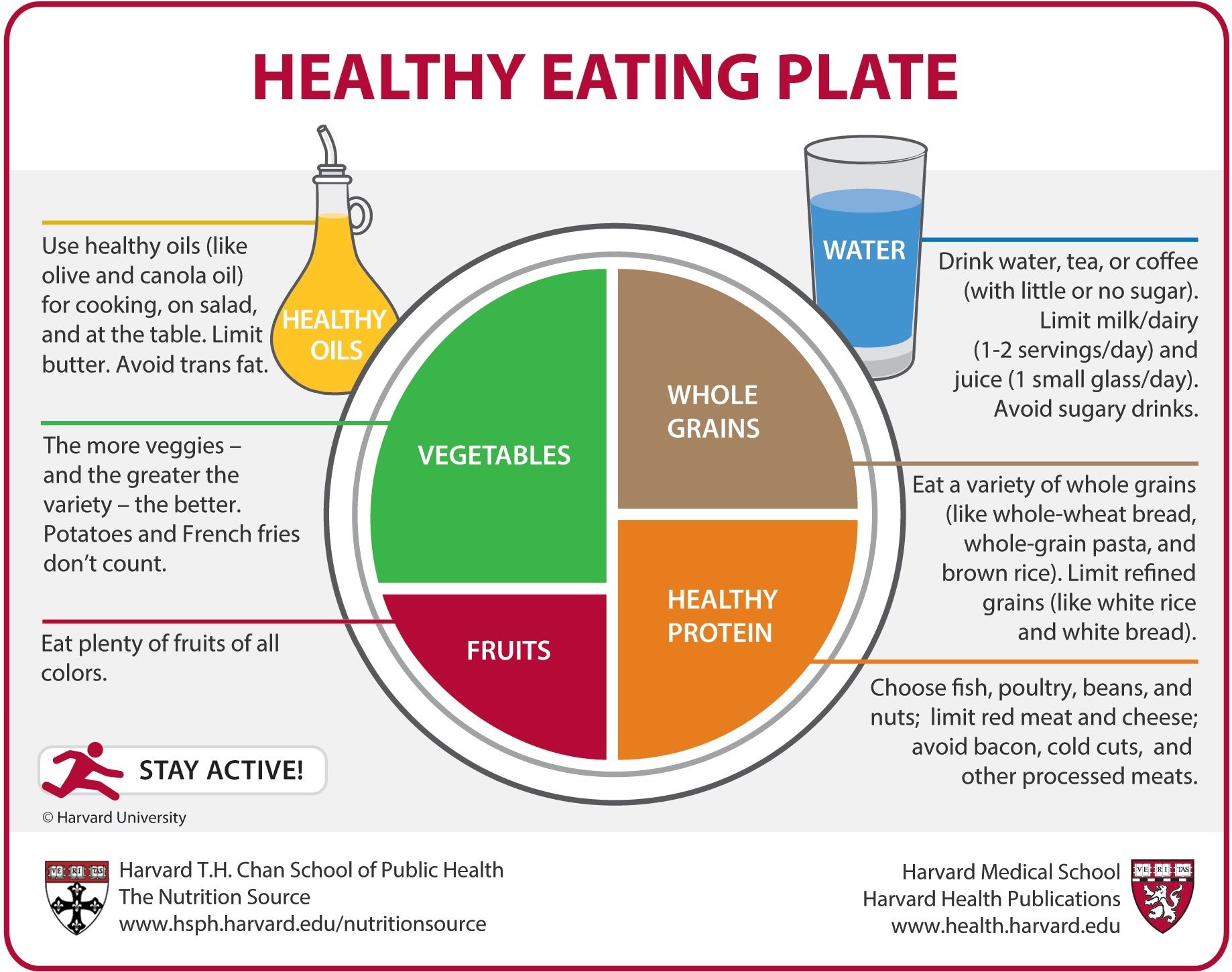
nutritionsource.hsph.harvard.edu
Healthy Eating Plate • The Nutrition Source
Grok can make mistakes. Always check original sources.
Benefits of a Nutritious Diet
Shifting to nutritious eating can lower your risk of chronic diseases like heart issues or diabetes by keeping inflammation in check and supporting immune function. You’ll likely feel more alert during the day, as stable blood sugar from whole foods avoids those mid-afternoon slumps. Over time, it aids in maintaining a healthy weight, boosting confidence and reducing the need for restrictive fad diets.
- Improved Digestion: High-fiber foods like oats and berries promote regular bowel movements and gut health.
- Enhanced Mental Clarity: Omega-3s from fish or nuts support brain function, helping with focus and reducing anxiety.
- Stronger Immunity: Vitamins from citrus fruits and leafy greens help fend off colds and infections.
- Better Skin Health: Antioxidants in berries and veggies combat aging and promote a natural radiance.
Sample Daily Meal Plan
Here’s a straightforward table to visualize a day’s worth of balanced meals, inspired by guidelines from the Harvard School of Public Health. Adjust portions based on your activity level and consult a doctor for personalized needs.
| Meal Time | Food Choices | Key Nutrients | Calories (Approx.) |
|---|---|---|---|
| Breakfast | Oatmeal with berries and almonds | Fiber, antioxidants, healthy fats | 400 |
| Lunch | Grilled chicken salad with mixed greens, tomatoes, and olive oil dressing | Protein, vitamins A/C, healthy fats | 500 |
| Snack | Greek yogurt with apple slices | Protein, probiotics, fiber | 200 |
| Dinner | Baked salmon, quinoa, and steamed broccoli | Omega-3s, complete protein, iron | 600 |
| Total | – | Balanced macros | 1,700 |
Comparing Popular Diets: Mediterranean vs. Keto
When choosing a diet style, it’s helpful to weigh options like the Mediterranean approach against keto. The Mediterranean emphasizes plant-based foods, fish, and olive oil, linked to longer life spans in studies from regions like Greece. Keto, on the other hand, cuts carbs drastically to promote fat burning, which can lead to quick weight loss but might strain kidneys long-term.
Pros and Cons of Mediterranean Diet
Pros include heart-healthy benefits, easy sustainability with delicious recipes, and flexibility for social eating. Cons might be higher costs for fresh produce and the need for portion control to avoid overeating nuts or oils.
Pros and Cons of Keto Diet
Pros feature rapid weight reduction and better blood sugar control for some, especially those with diabetes. Cons involve potential nutrient gaps from limited fruits, the “keto flu” during adaptation, and difficulty maintaining it without feeling restricted.
Where to Get Healthy Recipes
For navigational help, check out sites like EatingWell or the Mayo Clinic’s recipe section for free, easy ideas tailored to beginners. Apps such as MyFitnessPal offer customizable plans, while local farmers’ markets provide fresh ingredients to inspire home cooking.
Best Tools for Tracking Your Diet
On the transactional side, consider apps like Lose It! or Cronometer for logging meals and scanning barcodes—these make monitoring nutrients effortless. Wearables like Fitbit integrate food tracking with activity data for a holistic view.
I once tried ignoring my diet during a busy travel period, munching on airport snacks, and paid for it with constant fatigue. Switching to pre-packed salads and nuts made all the difference, proving small prep goes a long way. Who knew a humble apple could outshine a bag of chips in keeping you sharp? It’s moments like these that remind us food is more than calories—it’s about feeling alive.
Tip 2: Incorporate Regular Physical Activity
Moving your body regularly isn’t just about building muscles or shedding pounds; it’s a mood booster that sharpens your mind and strengthens your heart. Aim for activities you enjoy, whether it’s a brisk walk or dancing in your living room, to make it a habit rather than a chore. Over time, this builds resilience, helping you tackle daily stresses with more ease and vitality.
What Counts as Regular Exercise?
Regular exercise includes any movement that raises your heart rate, from cardio like running to strength training with weights. Guidelines suggest 150 minutes of moderate activity weekly, which could break down to 30 minutes five days a week. This prevents sedentary risks like obesity and improves overall longevity, as noted in health resources.
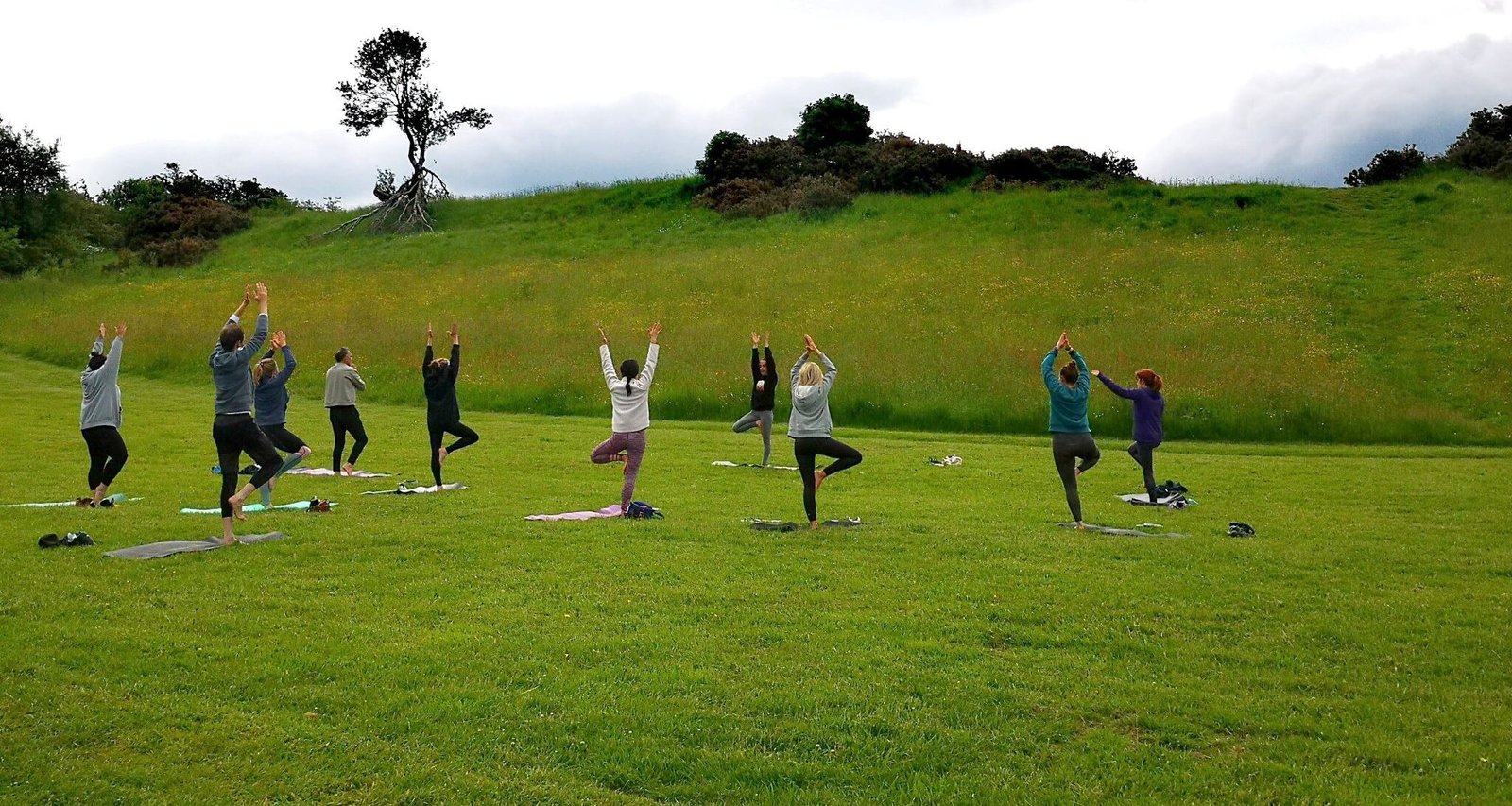
The Key Benefits of Yoga For Runners | Adventure Tours UK
Benefits of Staying Active
Physical activity releases endorphins that combat depression, while also enhancing bone density to ward off osteoporosis later in life. It supports better circulation, reducing blood pressure and cholesterol levels for heart health. Plus, it can improve social connections if you join group classes or sports teams.
- Weight Management: Burns calories and builds muscle to boost metabolism.
- Joint Flexibility: Activities like yoga reduce stiffness and injury risk.
- Energy Boost: Counterintuitively, exercise fights fatigue by improving oxygen flow.
- Longer Lifespan: Studies show active people live healthier, longer lives.
Sample Weekly Exercise Routine
Use this table as a starting point for mixing activities—vary it to keep things fresh and prevent burnout.
| Day | Activity | Duration | Intensity |
|---|---|---|---|
| Monday | Brisk walking | 30 min | Moderate |
| Tuesday | Yoga session | 45 min | Low |
| Wednesday | Strength training (bodyweight) | 30 min | Moderate |
| Thursday | Cycling or swimming | 40 min | Moderate |
| Friday | Rest or light stretch | – | Low |
| Saturday | Hiking or sports | 60 min | High |
| Sunday | Active recovery (e.g., gardening) | 30 min | Low |
Comparing Exercise Types: Cardio vs. Strength Training
Cardio, like jogging, excels at burning fat and improving endurance, ideal for heart health per CDC recommendations. Strength training builds muscle and bone strength, aiding metabolism but requiring recovery time to avoid overstrain.
Pros and Cons of Cardio
Pros: Accessible anywhere, quick calorie burn, and stress relief through rhythmic movement. Cons: Can be repetitive, potential joint impact if not done properly.
Pros and Cons of Strength Training
Pros: Increases muscle tone, supports posture, and enhances daily functional strength. Cons: Needs equipment or guidance to start, risk of injury without proper form.
Where to Find Exercise Resources
Navigate to free platforms like YouTube channels (e.g., Fitness Blender) or community centers for classes. Parks often host group runs—check local listings for beginner-friendly options.
Best Tools for Tracking Activity
Transactional picks include the Apple Watch for heart rate monitoring or free apps like Strava for logging runs and connecting with others. These tools gamify fitness, making progress tracking addictive in a good way.
There was this one summer when I committed to daily walks after dinner, rain or shine. It started as a way to clear my head but evolved into spotting neighborhood wildlife and chatting with neighbors. Funny how something as simple as putting one foot in front of the other can turn into a cherished ritual, lifting your spirits without even trying.
Tip 3: Prioritize Quality Sleep
Sleep is your body’s reset button, repairing tissues and consolidating memories while you rest. Skimping on it leads to foggy thinking and weakened immunity, so aim for consistent, quality shut-eye to wake up refreshed. It’s the unsung hero of health, often overlooked until you experience the difference a good night’s rest makes.
What Is Quality Sleep?
Quality sleep involves 7-9 hours nightly in a dark, cool environment, cycling through deep and REM stages for full restoration. Avoiding screens before bed helps, as blue light disrupts melatonin production. This routine supports everything from hormone balance to emotional stability.

240,500+ Sleeping Peacefully Stock Photos, Pictures & Royalty-Free …
Benefits of Adequate Rest
Good sleep sharpens concentration, regulates appetite hormones to prevent overeating, and bolsters your immune system against illnesses. It also reduces stress by allowing your brain to process daily events, leading to better decision-making.
- Mood Regulation: Prevents irritability and enhances emotional resilience.
- Physical Recovery: Repairs muscles and supports growth hormone release.
- Cognitive Boost: Improves memory and problem-solving skills.
- Disease Prevention: Lowers risks of diabetes and cardiovascular issues.
Sleep Hygiene Tips Table
Implement these habits for better sleep—track your progress to see what works best.
| Habit | Description | Why It Helps |
|---|---|---|
| Consistent Schedule | Bed and wake at same times daily | Regulates internal clock |
| Bedroom Setup | Cool, dark, quiet space | Promotes uninterrupted rest |
| Pre-Bed Routine | Reading or tea, no electronics | Signals body to wind down |
| Limit Caffeine | None after noon | Avoids stimulation at night |
| Exercise Timing | Earlier in day | Boosts deep sleep without interference |
Comparing Sleep Aids: Natural vs. Supplements
Natural methods like herbal teas (chamomile) promote relaxation without side effects, backed by traditional use. Supplements such as melatonin can help short-term but may cause dependency or grogginess.
Pros and Cons of Natural Aids
Pros: Safe, affordable, and holistic integration into routines. Cons: Effects vary, slower to notice changes.
Pros and Cons of Supplements
Pros: Quick-acting for jet lag or shift work. Cons: Potential interactions, not for long-term use without advice.
Where to Get Sleep Advice
Look to resources like the National Sleep Foundation’s website or apps with guided meditations. Local clinics often offer sleep studies if issues persist.
Best Tools for Monitoring Sleep
Opt for devices like the Oura Ring or Sleep Cycle app, which track cycles and provide insights to optimize your habits.
I recall a phase where insomnia had me tossing for hours, blaming it on work stress. Introducing a no-phone rule an hour before bed changed everything—suddenly, mornings felt brighter, and I tackled tasks with renewed vigor. It’s amusing how we fight sleep like kids avoiding nap time, yet embracing it feels like unlocking a secret superpower.
Tip 4: Manage Stress Effectively
Stress is part of life, but managing it well prevents it from overwhelming your health. Techniques like deep breathing or hobbies can shift your perspective, turning challenges into manageable moments. Building this skill fosters resilience, allowing you to thrive rather than just survive daily pressures.
Understanding Stress Management
Stress management involves identifying triggers and using tools to respond calmly, from mindfulness to time management. Chronic stress raises cortisol, harming immunity and sleep, so proactive steps are key for balance.
:max_bytes(150000):strip_icc()/meditation-4157199_round2_standardsizing-7f47dee543b74e3282f6604e8e9ef126.png)
The Benefits of Meditation
Benefits of Effective Techniques
Reducing stress lowers blood pressure, improves relationships, and enhances productivity by clearing mental clutter. It also prevents burnout, promoting a sense of control and well-being.
- Emotional Stability: Reduces anxiety and fosters positivity.
- Physical Health: Eases tension headaches and digestive issues.
- Better Focus: Clears mind for creative thinking.
- Stronger Connections: Encourages open communication with others.
Stress Relief Methods Table
Try these proven methods—mix and match to suit your lifestyle.
| Method | How to Practice | Frequency |
|---|---|---|
| Meditation | 10-min guided sessions | Daily |
| Journaling | Write thoughts evening | 3-4x/week |
| Nature Walks | 20-min outdoor stroll | Weekly |
| Breathing Exercises | 4-7-8 technique | As needed |
| Hobbies | Reading or crafting | Daily unwind |
Comparing Approaches: Mindfulness vs. Exercise for Stress
Mindfulness, through apps like Headspace, cultivates present-moment awareness to reduce rumination. Exercise releases tension physically, offering immediate relief but requiring effort.
Pros and Cons of Mindfulness
Pros: Portable, no equipment needed, builds long-term calm. Cons: Takes practice to master, initial frustration possible.
Pros and Cons of Exercise
Pros: Dual benefits for body and mind, endorphin rush. Cons: Time-intensive, weather-dependent for outdoors.
Where to Find Stress Resources
Explore free online courses on Coursera or community support groups. Libraries often stock books like “The Stress Management Workbook.”
Best Tools for Stress Tracking
Apps such as Calm or Insight Timer offer meditations and mood logs, while journals like the Five Minute Journal prompt gratitude.
During a tough family period, I leaned on daily journaling to unpack my worries—it felt like chatting with an old friend who never judged. Adding a dash of humor, like doodling silly faces next to stressors, lightened the load. It’s touching how these small acts can rebuild your inner peace, one breath at a time.
People Also Ask
Drawing from common queries on healthy living, here are answers to questions people frequently search for, based on insights from reliable sites like Nutrition.gov and Reddit discussions.
What Are 10 Tips for a Healthy Lifestyle?
Beyond our four, add staying hydrated, avoiding smoking, limiting alcohol, regular checkups, building social ties, practicing gratitude, flossing daily, using sunscreen, learning new skills, and volunteering—each contributes to holistic wellness.
How Do I Start a Healthy Lifestyle?
Begin small: Pick one habit, like adding a veggie to each meal, and build from there. Track progress in a journal and seek support from friends or apps to stay motivated.
What Are the 5 Healthy Lifestyles?
Core ones include balanced eating, physical activity, sufficient sleep, stress control, and avoiding harmful substances like tobacco—aligning with WHO guidelines.
Do I Need to Take a Vitamin Supplement?
Not always; a varied diet covers most needs, but consult a doctor if you’re at risk (e.g., vegan or elderly) for targeted supplements like B12 or vitamin D.
What’s the Best Advice for Starting Healthy Habits?
Start by adding positive changes to your routine rather than cutting everything out— this makes it sustainable and less overwhelming, as shared in community forums.
FAQ
How Can I Maintain a Healthy Weight?
Focus on portion control, regular meals, and activity; tools like BMI calculators help, but emphasize sustainable habits over quick fixes.
What Foods Should I Avoid for Better Health?
Limit processed items high in sugar, salt, and trans fats—like sodas, chips, and fast food—to reduce inflammation and support energy levels.
How Much Exercise Do I Really Need?
At least 150 minutes of moderate activity weekly, but listen to your body and incorporate rest days to avoid injury.
Why Is Sleep So Important for Health?
It regulates hormones, repairs cells, and processes emotions—poor sleep heightens risks for obesity, depression, and weakened immunity.
Can Stress Really Affect My Physical Health?
Yes, chronic stress contributes to high blood pressure, digestive problems, and weakened defenses; managing it through techniques like meditation is crucial.
Wrapping up, remember that leading a healthy lifestyle is a personal journey, full of trial and error. From my own experiences, these four tips—nutritious eating, regular movement, quality sleep, and stress management—have been game-changers, adding joy and vitality to everyday moments. Start where you are, celebrate small wins, and consult professionals for tailored advice. For more on recipes, visit our [internal link to /healthy-recipes], or explore external resources like WebMD’s lifestyle guide. Here’s to your health—may it bring you endless energy and happiness.