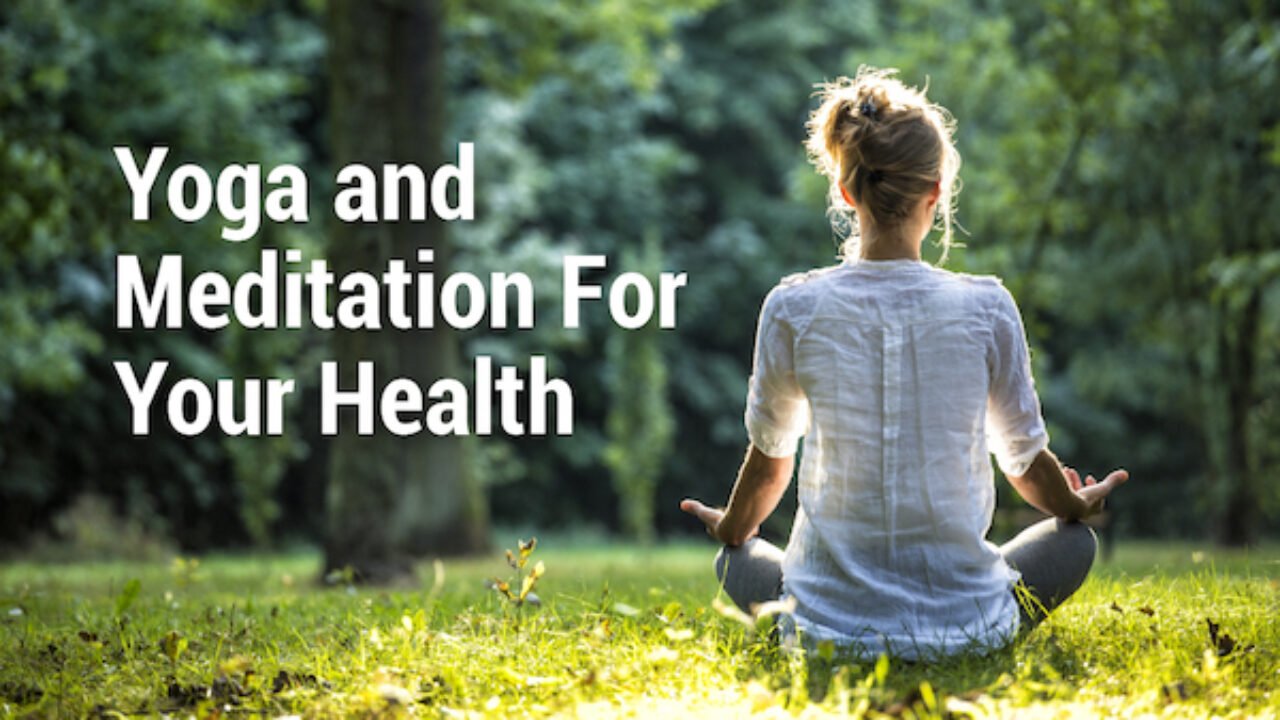
Hey there, reader. Picture this: It’s a crisp morning in 2018, and I’m slumped over my desk after another sleepless night, juggling a demanding job and the chaos of family life. My back aches, my mind races, and I feel like I’m one email away from a meltdown. That’s when a friend dragged me to my first yoga class. Skeptical at first—I mean, twisting into a pretzel sounded more like torture than therapy—I stuck with it. Fast forward a few months, and not only was I sleeping better, but I felt calmer, stronger, and oddly optimistic. That personal shift got me hooked on exploring yoga and meditation deeper, drawing from years of practice, chats with instructors, and digging into reliable studies. If you’re curious about whether these ancient practices can truly boost your health without the hype, stick around. We’ll dive into the real, evidence-backed benefits, backed by science from places like Harvard Health and the National Center for Complementary and Integrative Health, while keeping things practical and relatable.
Understanding Yoga: More Than Just Poses
Yoga isn’t just about striking impressive poses on a mat; it’s a holistic practice originating from ancient India that combines physical postures, breathing exercises, and mindfulness to harmonize body and mind. For beginners like I was, starting with simple Hatha yoga helped build flexibility without overwhelming me. Over time, it evolved into a daily ritual that grounded me amid life’s storms.
Physical Foundations of Yoga
At its core, yoga builds strength through asanas, or poses, that engage muscles you didn’t know existed. Think downward dog for a full-body stretch or warrior pose to fire up your legs and core. It’s low-impact, making it accessible for all ages, and gradually improves balance to prevent those embarrassing trips over nothing.
Mental Aspects Integrated in Yoga
Yoga weaves in meditation-like focus during flows, training your brain to stay present. This isn’t woo-woo stuff; it’s about quieting the mental chatter that keeps us up at night. I remember my first child’s pose—it felt like hitting pause on anxiety, a small win that snowballed into bigger emotional resilience.
The Proven Physical Health Benefits of Yoga
From boosting heart health to easing chronic pain, yoga’s physical perks are backed by solid research, like studies from Johns Hopkins Medicine showing improved flexibility and reduced inflammation. It’s not a cure-all, but consistent practice can transform how your body feels day-to-day. Imagine trading stiffness for suppleness— that’s the real magic.
Enhancing Flexibility and Strength
Regular yoga stretches muscles and joints, increasing range of motion over time. A review in the Journal of Physiology and Pharmacology noted it counters age-related stiffness, helping folks move freely into their later years. I’ve seen friends in their 50s regain the bounce they thought was lost forever.
Supporting Cardiovascular Health
Yoga lowers blood pressure and improves circulation, as Harvard studies highlight its role in reducing cardiovascular risks. Gentle flows get your heart pumping without the intensity of a run, making it ideal for those easing into fitness. It’s like giving your ticker a soothing massage.
Alleviating Chronic Pain
For back pain sufferers, yoga offers relief comparable to physical therapy, per research in the Annals of Internal Medicine. Poses like cat-cow gently realign the spine, reducing discomfort. One client I know ditched pain meds after months of practice—talk about empowerment.
Mental Health Gains from Yoga Practice
Yoga shines in mental wellness, combating stress and depression through mindful movement. Studies from UCLA show it rewires the brain for better mood regulation. It’s that post-class glow that lingers, turning a bad day around.
Reducing Stress and Anxiety Levels
Breathing techniques in yoga activate the parasympathetic nervous system, dialing down cortisol. A meta-analysis found it as effective as therapy for anxiety. During my stressful work phase, a quick sun salutation became my secret weapon against panic.
Boosting Mood and Fighting Depression
Yoga elevates GABA levels in the brain, per Harvard findings, leading to fewer depressive symptoms. It’s not instant, but building a routine creates a buffer against lows. Think of it as emotional armor forged one breath at a time.
Improving Sleep Quality
By calming the mind, yoga promotes deeper rest, with NCCIH reviews showing reduced insomnia. Evening restorative poses helped me ditch the 3 a.m. stare-at-the-ceiling sessions for solid shut-eye.
Demystifying Meditation: A Mindful Journey
Meditation strips away distractions, focusing on breath or thoughts to cultivate inner peace. It’s simpler than it sounds—no need for lotus position; just sit comfortably. My first attempts were comical, mind wandering to grocery lists, but persistence paid off in clarity.
Types of Meditation for Beginners
Mindfulness meditation observes thoughts without judgment, while loving-kindness builds compassion. Start with guided sessions to ease in. Apps make it user-friendly, turning five minutes into a habit.
How Meditation Rewires the Brain
Neuroimaging from Harvard shows meditation thickens brain areas for memory and emotion control. It’s like gym time for your gray matter, sharpening focus amid distractions.
Key Physical Benefits of Meditation
While less active than yoga, meditation aids immunity and reduces inflammation, per PMC studies. It’s subtle but powerful, supporting overall vitality without sweat.
Lowering Blood Pressure Naturally
Regular practice relaxes blood vessels, as Mayo Clinic notes, potentially dropping hypertension risks. It’s a quiet ally for heart health, no meds required.
Enhancing Immune Function
Meditation boosts antibody production, fighting off illnesses better, according to research in Psychosomatic Medicine. During flu season, it’s my go-to for staying resilient.
Easing Digestive Issues
By reducing stress, it calms gut inflammation, helping with IBS symptoms. Studies link it to better digestion through mind-body connection.
Meditation’s Impact on Mental Well-Being
Meditation excels at mental fortitude, with APA endorsing its stress-busting effects. It’s like decluttering your mind’s attic, making space for joy.
Controlling Anxiety Effectively
Focused breathing short-circuits worry cycles, per Healthline’s 12 benefits list. I’ve used it during flights to turn dread into calm.
Promoting Emotional Balance
It fosters self-awareness, reducing reactivity to triggers. Mount Sinai research shows changes in brain areas for emotion regulation.
Lengthening Attention Span
Training the mind to focus combats digital distractions, with studies showing improved concentration after weeks of practice.
Synergistic Effects: Combining Yoga and Meditation
Blending yoga’s movement with meditation’s stillness amplifies benefits, creating a powerhouse duo for holistic health. Research in Frontiers in Human Neuroscience supports this synergy for well-being. It’s like peanut butter and jelly—better together.
Integrated Practices for Maximum Benefit
Yoga nidra combines poses with guided meditation for deep relaxation. This hybrid approach tackles both physical tension and mental fog in one session.
Long-Term Health Improvements
Consistent combo practice may slow aging at a cellular level, per ScienceDirect studies on neurobiological benefits. Users report sustained energy and fewer doctor visits.
Scientific Backing: What Studies Really Say
Diving into the evidence, systematic reviews from NCCIH affirm yoga’s role in pain management and quality of life. Meditation fares similarly, with meta-analyses showing anxiety reduction. But remember, results vary; it’s not one-size-fits-all.
Key Research on Yoga
A BBC Future piece highlights yoga’s brain-rewiring for mental health. American Heart Association links it to brain protection against decline.
Meditation Studies Overview
Stanford Medicine factsheet notes benefits for blood pressure and depression. Scientific American discusses its ripple effects on others.
Pros and Cons of Yoga
Like any practice, yoga has upsides and potential pitfalls. Weighing them helps decide if it’s right for you.
- Pros: Builds strength without gym equipment; reduces stress quickly; adaptable for all fitness levels; fosters community in classes.
- Cons: Risk of injury if poses are forced; time commitment for noticeable changes; not ideal for acute medical issues without guidance.
From my experience, the pros far outweigh cons when approached mindfully.
Pros and Cons of Meditation
Meditation’s simplicity is its strength, but it requires patience.
- Pros: Free and portable; improves focus in minutes; supports emotional health long-term; no physical strain.
- Cons: Initial frustration with wandering mind; may surface buried emotions; hard to measure progress early on.
Sticking with it turns cons into growth opportunities.
Comparing Yoga and Meditation
| Aspect | Yoga | Meditation |
|---|---|---|
| Physical Focus | High—builds strength, flexibility | Low—seated or still |
| Mental Focus | Integrated with movement | Primary, deep introspection |
| Time Needed | 20-60 minutes per session | 5-20 minutes daily |
| Equipment | Mat, props optional | None, just quiet space |
| Benefits Overlap | Stress relief, better sleep | Emotional balance, anxiety reduction |
Yoga offers dynamic energy, while meditation provides quiet depth. Choose based on your needs or combine for best results.
People Also Ask: Common Questions Answered
Drawing from Google searches, here are real queries folks type in.
What Are the 5 Major Benefits of Yoga?
Improved flexibility, reduced stress, better heart health, enhanced mood, and stronger immunity top the list, per Johns Hopkins.
Is Yoga or Meditation Better for Anxiety?
Both help, but meditation edges out for pure mental calm, while yoga adds physical release.
Can You Do Yoga and Meditation Every Day?
Absolutely—daily practice maximizes benefits, but start slow to avoid burnout.
What Are the Differences Between Yoga and Meditation?
Yoga involves body movement; meditation focuses on mind stillness, though they overlap in mindfulness.
Getting Started: Where to Learn Yoga and Meditation Online
For navigational help, platforms like Yoga with Adriene on YouTube offer free beginner videos—perfect for home practice. Glo provides structured classes for a small fee. Check our guide to online yoga resources for more.
Best Apps for Beginners
Headspace combines meditation with simple yoga, ideal for newbies. Down Dog customizes sessions, while Alo Moves offers variety. Download one and start today.
Transactional Tips: Best Tools for Yoga and Meditation
Invest in a good mat like Manduka for grip—essential for poses. For meditation, try a cushion from Zafu. Best buys: Headspace app for guided sessions or a beginner yoga kit from Amazon. See top yoga gear recommendations for deals.
FAQ
How Long Does It Take to See Benefits from Yoga?
Most notice improvements in 4-6 weeks with consistent practice, like better flexibility and less stress.
Can Meditation Help with Weight Loss?
Indirectly, by curbing emotional eating and boosting mindfulness around food choices.
Is Yoga Safe for Seniors?
Yes, with modifications—gentle styles like chair yoga are great, but consult a doctor first.
What’s the Best Time for Meditation?
Morning sets a positive tone, but anytime works; consistency matters more.
Do I Need a Teacher for Yoga?
Apps suffice for basics, but in-person classes ensure proper form to avoid injury.
In wrapping up, yoga and meditation aren’t fads—they’re time-tested tools for real health upgrades, from a stronger body to a steadier mind. My journey started with doubt but led to transformation; yours could too. Give it a shot, listen to your body, and enjoy the ride. For more on wellness, explore related articles on mindfulness or external sites like Harvard Health’s yoga page.