Hey there—I’ve been hitting the gym consistently for over 15 years now, and let me tell you, building a strong upper body has been a game-changer for me. Back in my early days, I was all about chasing big bench numbers, but I quickly learned that a balanced approach—mixing pushes, pulls, and everything in between—makes you not just look better, but feel stronger in everyday life. Carrying groceries, playing with my kids, even just maintaining good posture at my desk… it all got easier.
I remember one time, years ago, I tweaked my shoulder from overdoing bench presses without enough back work. It sidelined me for weeks, and that was my wake-up call. Balance is key. These days, my workouts include a solid mix of compound moves and some targeted ones to keep things progressing without injury.
In this article, we’re diving into what I consider the 10 absolute best upper body exercises. These aren’t just random picks—they’re proven staples backed by trainers, studies, and my own experience. They’ll target your chest, back, shoulders, arms, and even core for stability. Whether you’re a beginner or seasoned lifter, adding these will level up your routine.
Why Building Upper Body Strength Matters More Than You Think
A strong upper body isn’t just for aesthetics—though broader shoulders and defined arms are a nice bonus. It improves posture, reduces injury risk, boosts metabolism, and makes daily tasks effortless.
Research from sources like the American Council on Exercise shows that balanced upper body training enhances overall functional fitness, especially as we age. I’ve noticed it myself: better golf swings, easier yard work, and no more nagging back pain from hunching over a computer.
Plus, there’s that confidence boost when you fill out a shirt properly. Who doesn’t love that?
The Key Muscle Groups in Your Upper Body
Your upper body includes the chest (pecs), back (lats, rhomboids, traps), shoulders (delts), and arms (biceps, triceps, forearms). A great workout hits them all with a mix of pushing and pulling movements.
Neglecting one group leads to imbalances—think rounded shoulders from too much chest work. Aim for a 1:1 or even 2:1 pull-to-push ratio for better posture and joint health.
Benefits of a Strong Upper Body
Stronger upper body means better performance in sports, reduced risk of shoulder injuries, improved bone density, and even enhanced lower body strength through better stability.
Studies highlight how resistance training preserves muscle mass and supports heart health. Personally, it’s helped me stay active into my 40s without the aches my less-fit friends complain about.
How to Choose the Best Upper Body Exercises
The best exercises are compound moves that work multiple muscles at once for efficiency and strength gains. They should be scalable—bodyweight for beginners, weighted for advanced.
Look for variety: horizontal/vertical pushes and pulls, plus some isolation for arms and shoulders. Always prioritize form over weight to avoid injury.
Push vs. Pull: Why Balance Is Crucial
Pushing exercises (like presses) build chest and triceps; pulling (rows, pull-ups) strengthen back and biceps. Imbalance leads to poor posture and injuries.
Trainers recommend more pulling to counter daily slouching. In my routines, I always pair a push day with extra pulls.
Equipment You’ll Need (Or Not)
Many of these need minimal gear: dumbbells, a barbell, or just bodyweight. Home-friendly options abound.
For best results, invest in adjustable dumbbells or a pull-up bar. Brands like Bowflex or Rogue offer durable options.
The 10 Best Upper Body Exercises
Here they are—the moves that have transformed my physique and strength. I’ll break down how to do each, benefits, and tips from experience.
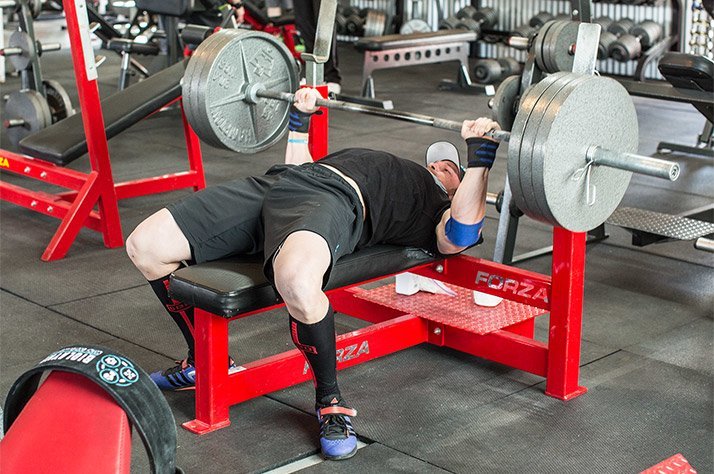
1. Bench Press
The king of chest builders, this compound move hits pecs, triceps, and front shoulders.
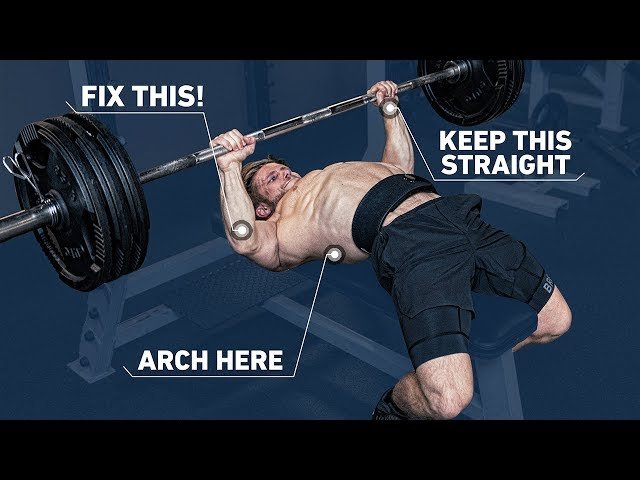
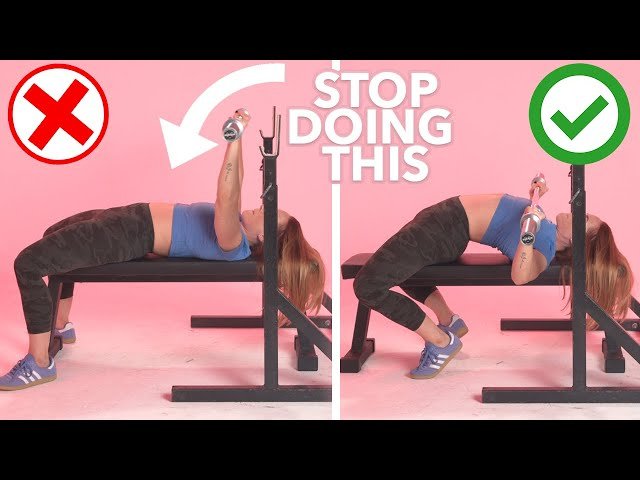
Lie on a bench, grip barbell slightly wider than shoulders, lower to chest, press up explosively. Keep feet planted and back arched slightly.
Why It’s One of the Best
It builds raw pressing strength and mass. Studies show it’s superior for chest hypertrophy when done correctly.
I hit a personal best of 315 pounds after years of consistent benching—felt unstoppable.
Common Mistakes and How to Avoid Them
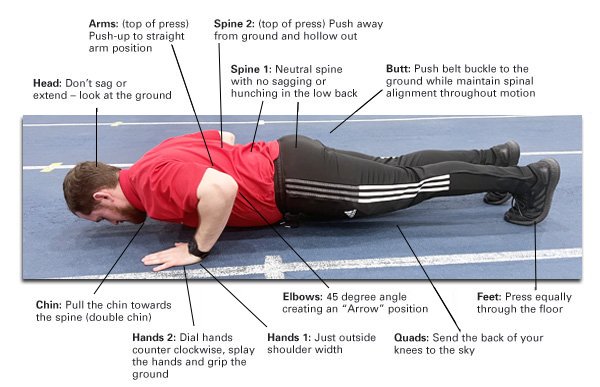
Flaring elbows too wide strains shoulders; keep them at 45 degrees. Don’t bounce the bar off your chest.
Start light to master form.
2. Pull-Ups
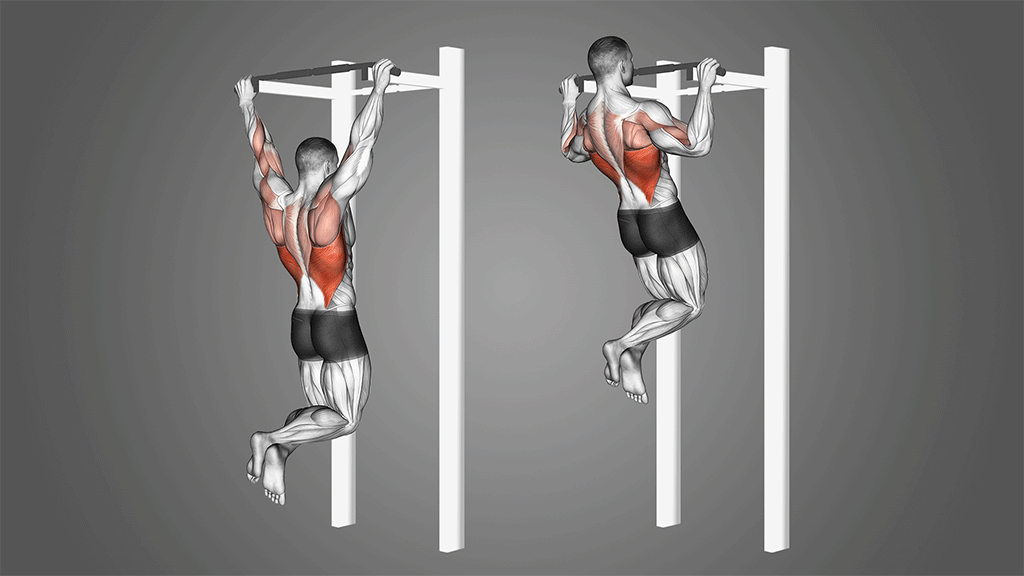
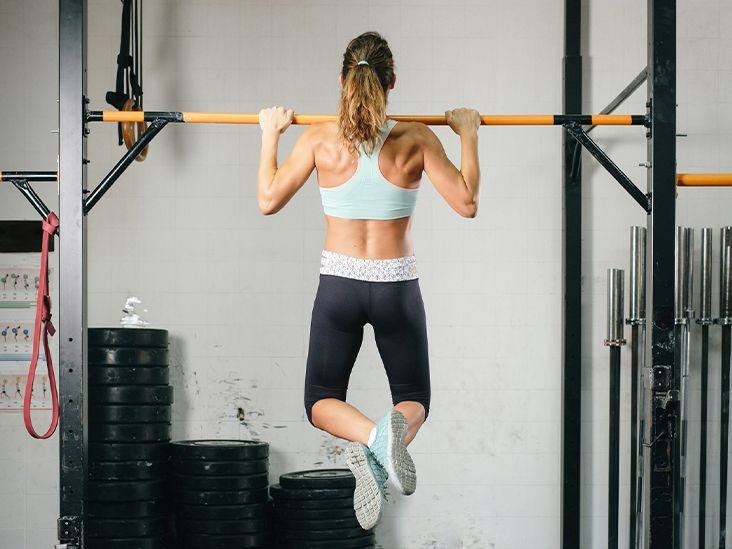
The ultimate back builder—no gym machine beats this bodyweight staple.
Grip bar overhand, pull chest to bar, lower controlled. Use assisted versions if needed.
Why It’s One of the Best
Targets lats, biceps, and upper back for that V-taper. Improves grip and posture.
I couldn’t do one when I started; now I knock out sets of 15. Progress feels amazing.
Variations for Beginners
Try negatives (slow lowers) or band-assisted. Build up gradually.
:max_bytes(150000):strip_icc()/67-3120735-Pullups-GIF-b08bf524e15c4bb2a70c7fc43e1fe9c0.gif)
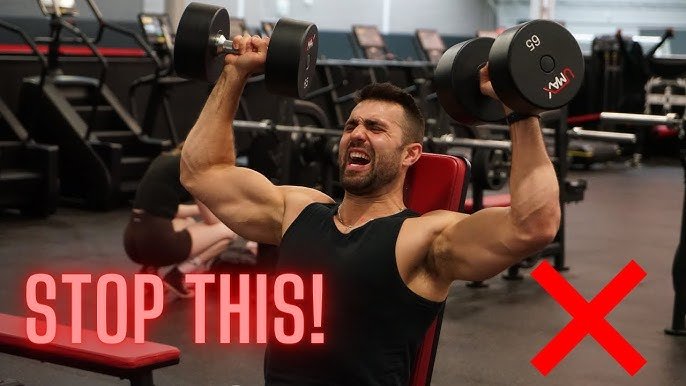
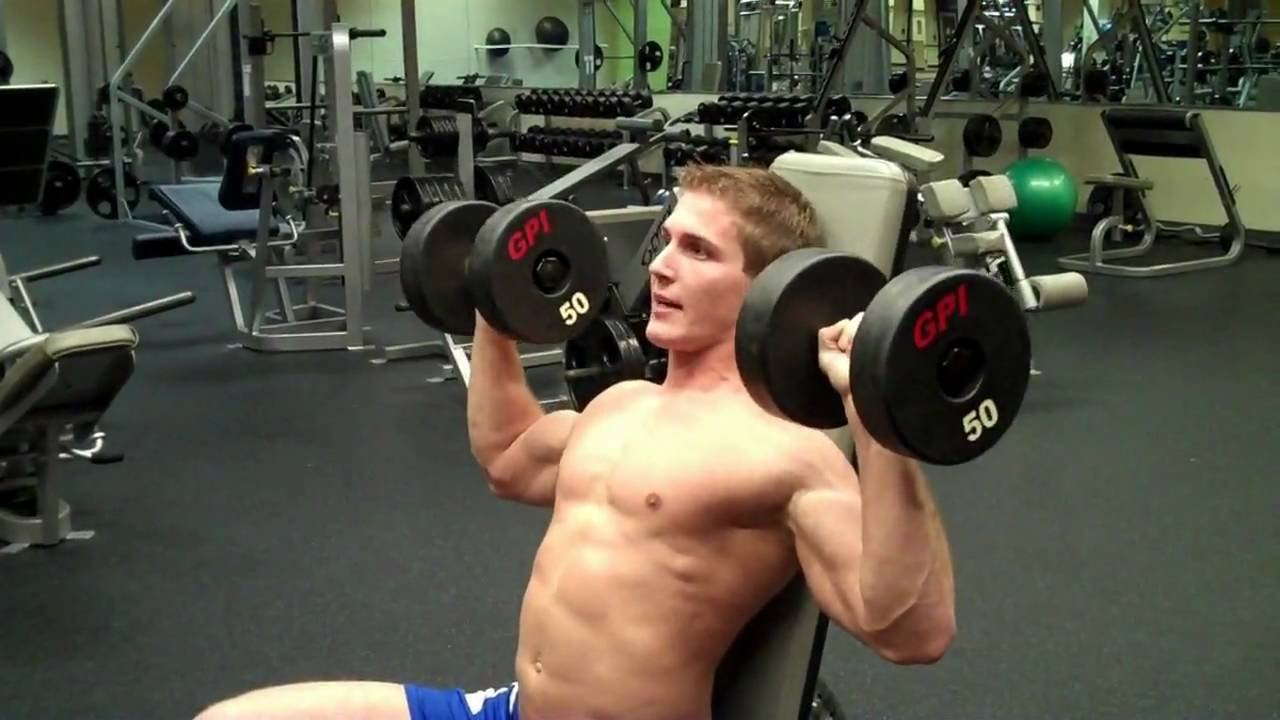
3. Overhead Shoulder Press
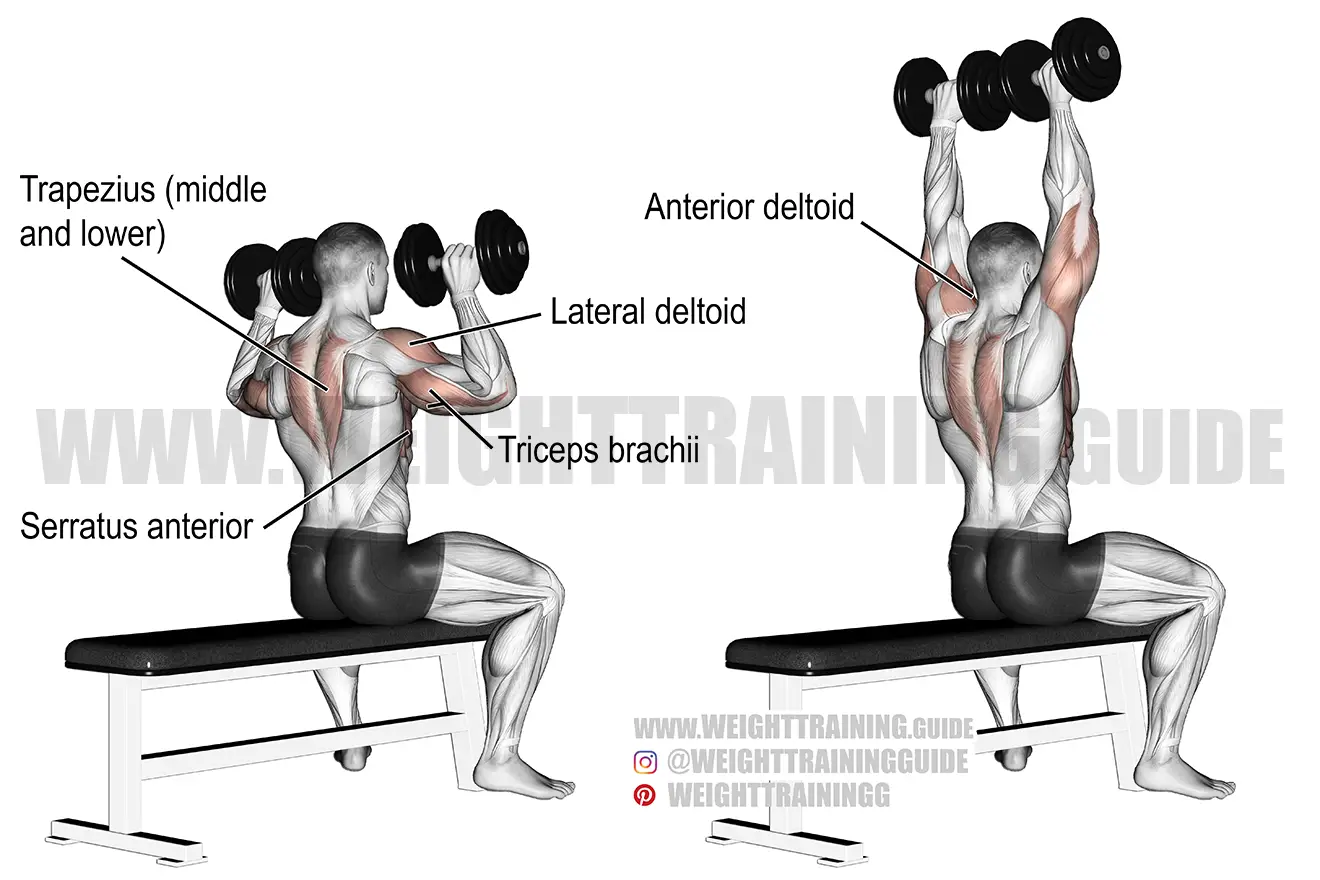
Builds capped shoulders for that wide look.
Sit or stand, press dumbbells or barbell from shoulder height overhead.
Why It’s One of the Best
Hits all three deltoid heads plus triceps. Essential for shoulder strength.
My shoulders popped after adding these consistently.
Seated vs. Standing
Standing engages core more; seated allows heavier loads.
4. Push-Ups
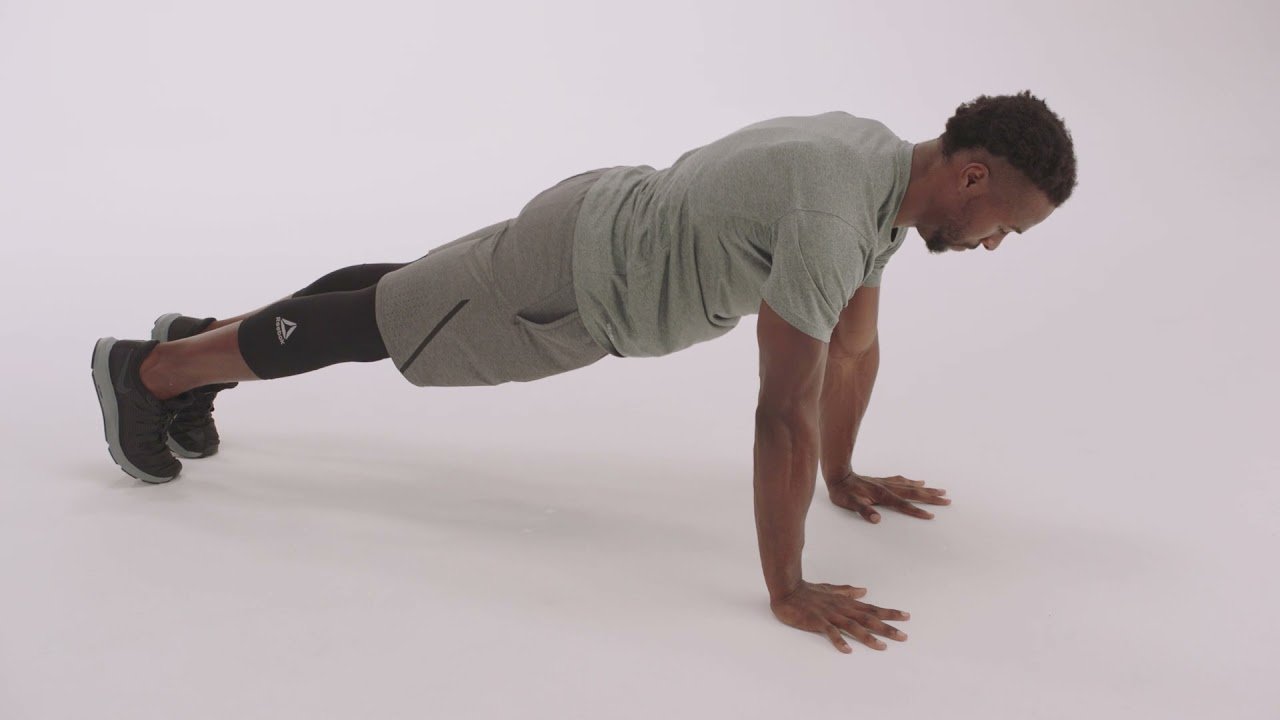
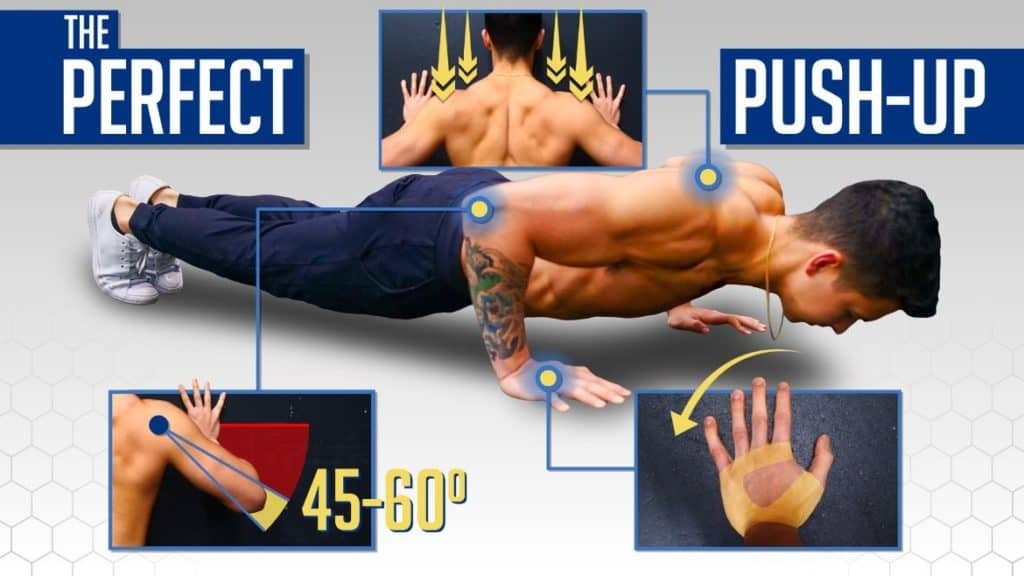
Bodyweight classic—perfect anywhere.
Plank position, lower chest to ground, push up.
Why It’s One of the Best
Builds chest, triceps, core endurance. Scalable with variations.
I do these on travel days—no excuses.
Advanced Variations
Diamond for triceps, decline for upper chest.
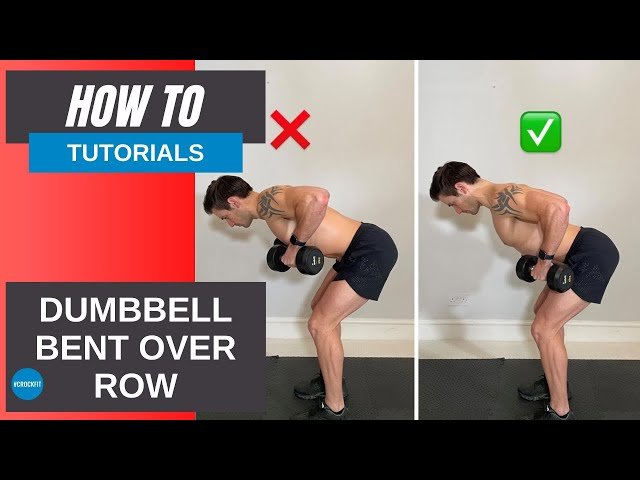
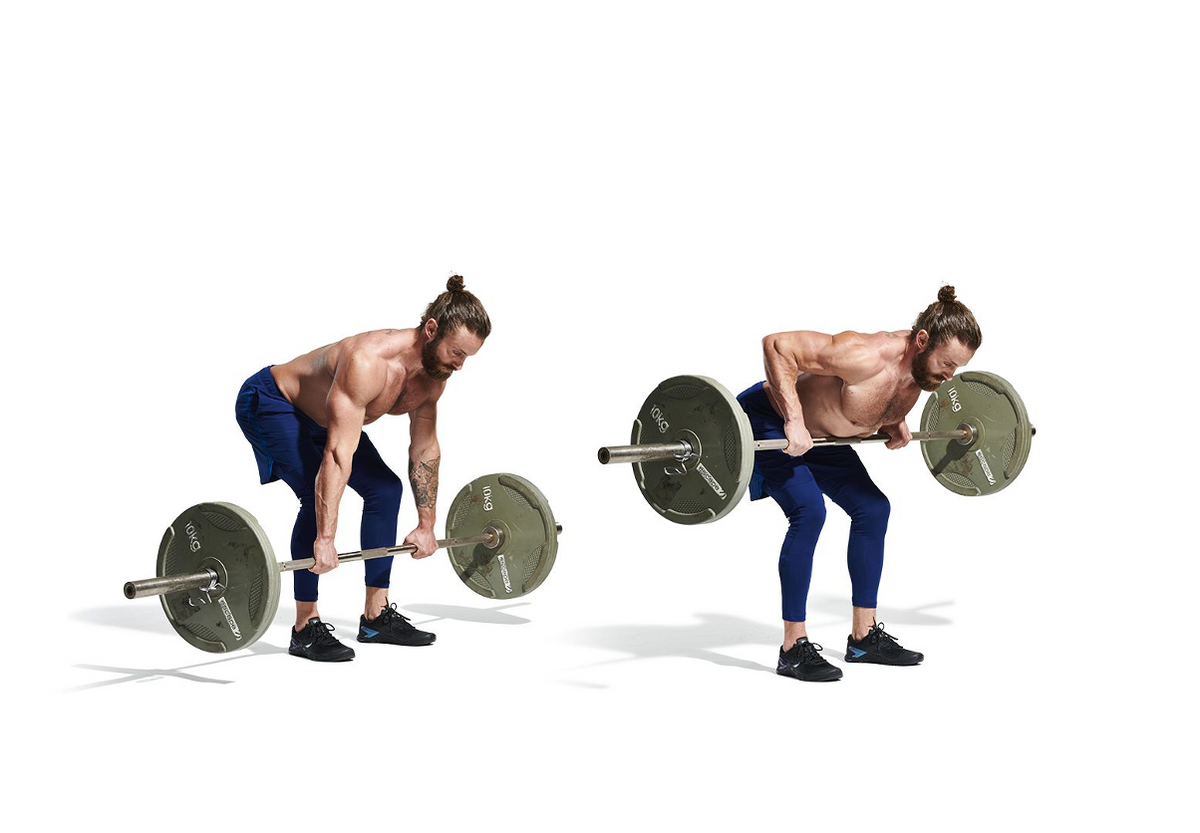
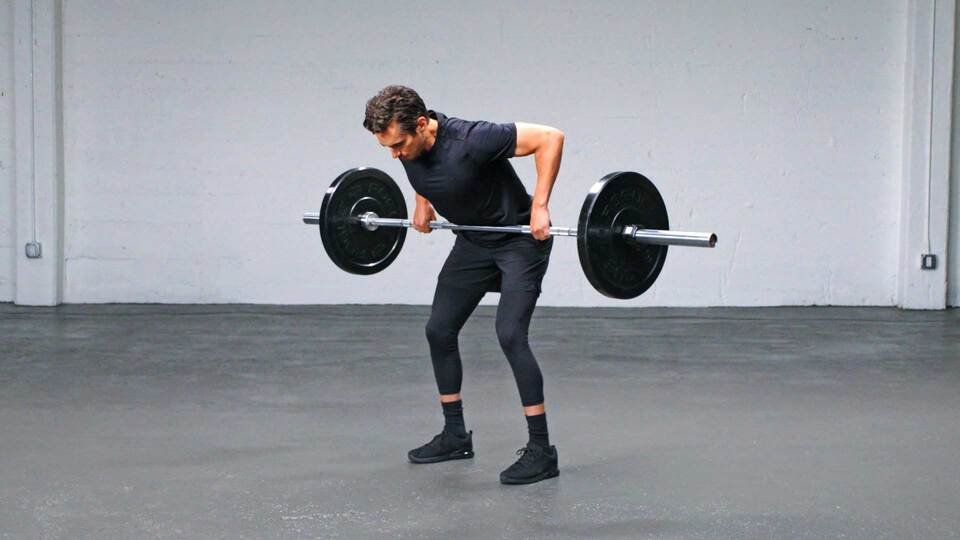
5. Bent-Over Rows
Balances pressing with serious back work.
Hinge at hips, row weights to sides.
Why It’s One of the Best
Thickens upper back, improves posture.
Fixed my rounded shoulders big time.
Dumbbell vs. Barbell
Dumbbells allow unilateral work to fix imbalances.
6. Dips
Triceps and chest destroyer.
On parallel bars, lower until shoulders below elbows, press up.
Why It’s One of the Best
Bodyweight compound for lower chest and triceps.
Added serious arm size for me.
Chest vs. Triceps Focus
Lean forward for chest; stay upright for triceps.
7. Dumbbell Lateral Raises
Isolates side delts for width.
Raise dumbbells out to sides to shoulder height.
Why It’s One of the Best
Creates that capped shoulder look no other move matches.
Light weight, strict form—ego lifting here is pointless.
8. Bicep Curls
Classic arm builder.
Curl dumbbells or barbell, squeeze at top.
Why It’s One of the Best
Direct biceps work for peaks and strength.
Hammer curls variation hits forearms too.
9. Tricep Extensions
Balances biceps for full arms.
Overhead or skull crushers.
Why It’s One of the Best
Triceps make up 2/3 of arm size—don’t neglect.
Rope pushdowns are a favorite variation.
10. Face Pulls
Posterior shoulder and upper back savior.
Pull cable to face, squeeze rear delts.
Why It’s One of the Best
Improves shoulder health and posture.
Saved my shoulders from impingement issues.
Comparison: Free Weights vs. Bodyweight vs. Machines
| Type | Pros | Cons | Best For |
|---|---|---|---|
| Free Weights | Versatile, functional strength | Higher injury risk if form poor | Overall mass and power |
| Bodyweight | No equipment, anywhere | Harder to progress weight | Beginners, travel |
| Machines | Safe, controlled | Less functional carryover | Rehab, isolation |
Free weights win for most, but mix them all.
Sample Upper Body Workout Routine
Try this 3-day split:
- Day 1: Bench Press 4×8, Pull-Ups 4x max, Overhead Press 3×10
- Day 2: Rest or light
- Day 3: Rows 4×10, Dips 3×12, Lateral Raises 3×15
Add curls and extensions as finishers. 45-60 minutes.
Common Mistakes in Upper Body Training
Ego lifting heavy with bad form. Fix: Check ego, film yourself.
Neglecting pulls. Fix: More rows and pull-ups.
Poor warm-up. Fix: 5-10 minutes dynamic stretches.
Pros and Cons of Focusing on Upper Body
Pros:
- Better posture and confidence
- Functional strength
- Aesthetic improvements
Cons:
- Risk of overtraining if no rest
- Imbalances without full-body work
Balance with lower body days.
People Also Ask
What are the best upper body exercises for beginners? Push-ups, assisted pull-ups, dumbbell presses—focus on form.
How often should I train upper body? 2-3 times per week, with rest days.
Can I build upper body strength at home? Absolutely—bodyweight and dumbbells suffice.
What upper body exercises burn the most calories? Compounds like pull-ups and presses with high reps.
FAQ
How many sets and reps for upper body growth? 3-4 sets of 8-12 reps for hypertrophy.
Should women do these exercises? Yes! Same benefits, no “bulking” myth unless eating surplus.
Best tools for home upper body workouts? Adjustable dumbbells, pull-up bar, resistance bands.
How to progress if stuck? Add weight, reps, or slow eccentrics.
Do upper body workouts help with back pain? Yes, stronger back and core improve posture.
Stick with these, stay consistent, and you’ll see changes. I’ve been there—from skinny newbie to feeling strong every day. You’ve got this—now go crush those workouts!