
I’ve always believed that moving your body is one of the simplest yet most powerful things you can do for yourself. A few years ago, I hit a rough patch—stressed from work, carrying extra weight, and feeling foggy most days. I decided to lace up my sneakers and start with short walks around the neighborhood. Nothing fancy, just consistent movement. Fast forward, and those walks turned into runs, yoga sessions, and strength training. Not only did I drop the weight and gain energy, but my mood lifted, my sleep improved, and I felt sharper than ever. It wasn’t overnight magic, but the changes were profound. If you’re reading this, maybe you’re in a similar spot, wondering if exercise is really worth the effort. Trust me, it is. Backed by decades of research from places like the Mayo Clinic, Harvard Health, and the CDC, regular physical activity transforms your health in ways that go far beyond looking good in jeans. Let’s dive into 15 truly mind-blowing benefits that might just motivate you to get moving today.



1. Strengthens Your Heart and Lowers Disease Risk
Exercise is like a superhero for your cardiovascular system. It strengthens the heart muscle, improves blood flow, and helps manage blood pressure and cholesterol levels.
Studies from the American Heart Association and CDC show that regular activity can cut your risk of heart disease—the leading cause of death—by up to 30%. Even moderate exercise, like brisk walking, makes a big difference.
Imagine your heart pumping more efficiently with every beat. That’s the reality for active people, leading to fewer heart attacks and strokes over time.
2. Helps Control Weight and Boosts Metabolism
We’ve all heard exercise burns calories, but it’s more than that. It builds muscle, which revs up your metabolism even when you’re resting.
Research published in journals like the Lancet indicates that combining aerobic exercise with strength training maximizes fat loss while preserving lean muscle.
I remember when I started tracking my progress—not obsessing over the scale, but noticing how my clothes fit better. It’s empowering, and sustainable weight management becomes a byproduct of feeling strong.
3. Builds Stronger Bones and Muscles
As we age, bone density and muscle mass naturally decline, increasing risks like osteoporosis and falls.
Weight-bearing exercises, such as walking, running, or lifting weights, stimulate bone growth and muscle repair. The National Institute on Aging highlights how this delays sarcopenia (age-related muscle loss).
One study found that resistance training can increase bone density by 1-3% in just months. Think of it as investing in a sturdier frame for your future self.
4. Sharpens Your Brain and Improves Memory
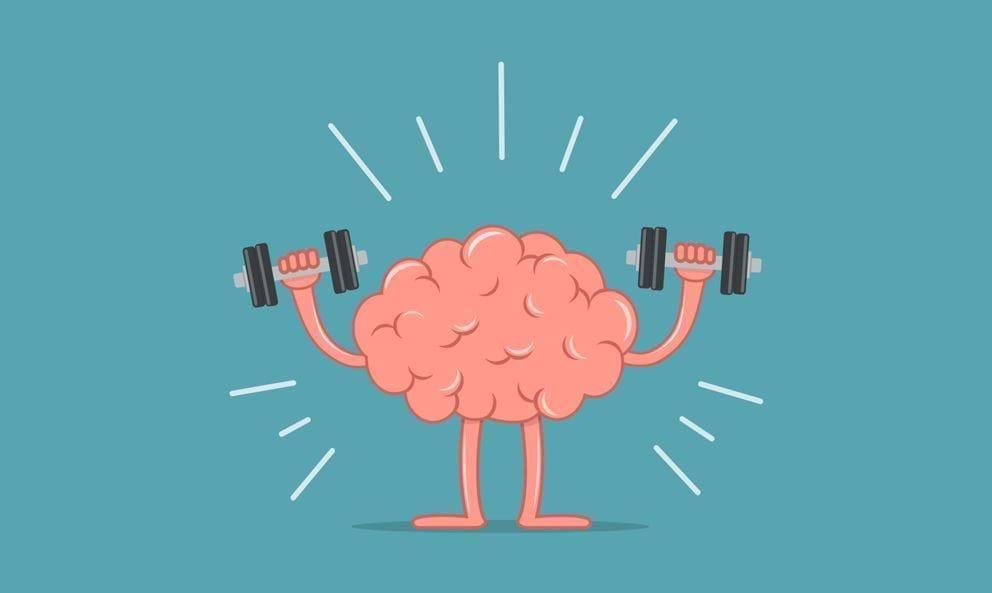
This one blew my mind when I first learned about it. Exercise increases blood flow to the brain and promotes the growth of new neurons through factors like BDNF (brain-derived neurotrophic factor).
Harvard studies show that regular activity enhances memory, focus, and cognitive function, even reducing dementia risk by up to 50% in some cases.
After workouts, I often feel mentally clear—like the fog lifts. It’s no placebo; science backs it.
5. Lifts Mood and Fights Depression
Ever heard of a “runner’s high”? Endorphins released during exercise act as natural mood boosters.
Meta-analyses from sources like the WHO and Mayo Clinic reveal that physical activity is as effective as antidepressants for mild to moderate depression in many people.
On tough days, a quick workout has pulled me out of slumps more times than I can count. It’s like hitting reset on your emotional state.
6. Reduces Anxiety and Stress
Exercise lowers cortisol (the stress hormone) while increasing serotonin and norepinephrine.
The CDC notes immediate benefits, like reduced short-term anxiety after just one session. Over time, it builds resilience.
I used to feel overwhelmed easily, but consistent movement taught me to breathe through stress—literally and figuratively.
7. Improves Sleep Quality
Struggling to fall asleep or stay asleep? Regular exercise helps regulate your circadian rhythm.
Research from Harvard Health shows that 150 minutes of moderate activity per week can improve sleep by 65%.
No more tossing and turning for me after evening walks. It’s one of the sweetest side effects.
8. Boosts Energy Levels
It seems counterintuitive—expending energy to gain more—but it works. Exercise improves mitochondrial function in cells, enhancing overall stamina.
Studies in PMC journals confirm that active people report higher daily energy and less fatigue.
That post-workout glow? It’s real fuel for the rest of your day.
9. Enhances Immune Function
Moderate exercise strengthens your immune system by promoting better circulation of immune cells.
Yale experts and CDC data suggest regularly active people get fewer colds and recover faster from illnesses.
During flu season, staying active has kept me healthier than most around me.
10. Lowers Risk of Type 2 Diabetes
Exercise improves insulin sensitivity, helping your body use glucose more effectively.
Large studies, including those from the Diabetes Prevention Program, show it can reduce diabetes risk by 58%—more than some medications.
It’s preventive medicine at its finest.
11. Reduces Cancer Risk
Physical activity is linked to lower risks of several cancers, including breast, colon, and lung.
The WHO and comprehensive reviews in Nature indicate it helps by reducing inflammation and regulating hormones.
Mind-blowing how something as accessible as movement can influence such serious outcomes.
12. Promotes Better Skin Health
Increased blood flow delivers oxygen and nutrients to skin cells, while sweating flushes out toxins.
Dermatology insights note that exercise can slow aging signs and improve conditions like acne.
That healthy glow isn’t just sweat—it’s radiance from within.
13. Improves Sexual Health and Libido
Better circulation, higher energy, and boosted confidence all play a role.
Studies show exercise enhances arousal and function, especially in those with erectile issues.
A fun perk that keeps things exciting in relationships.
14. Increases Longevity
Active people live longer, healthier lives. Research from Harvard alumni studies estimates 1-2 extra years from moderate expenditure.
More time with loved ones? Yes, please.
15. Builds Confidence and Self-Esteem
Finally, exercise reshapes how you see yourself. Achieving goals, feeling capable—it’s transformative.
Personal stories abound, and science links it to better body image and mental resilience.
Watching my progress in the mirror and in life has been incredibly affirming.



Types of Exercise: Finding What Works for You
Not all movement is the same. Here’s a quick comparison:
| Type | Examples | Primary Benefits | Intensity Level |
|---|---|---|---|
| Aerobic | Running, swimming, cycling | Heart health, endurance, calorie burn | Moderate to vigorous |
| Strength | Weight lifting, bodyweight exercises | Muscle building, bone density | Moderate |
| Flexibility | Yoga, stretching | Mobility, injury prevention | Low to moderate |
| Balance | Tai chi, single-leg stands | Fall prevention, especially for older adults | Low |
Mix them for the best results. The Physical Activity Guidelines for Americans recommend at least 150 minutes of moderate aerobic activity or 75 minutes of vigorous, plus muscle-strengthening twice a week.
Pros and Cons of Different Exercise Routines
- Gym Workouts
- Pros: Structured equipment, classes, motivation from others.
- Cons: Cost, travel time, intimidation for beginners.
- Outdoor Activities
- Pros: Fresh air, vitamin D, variety.
- Cons: Weather-dependent, safety concerns.
- Home Workouts
- Pros: Convenient, no excuses, privacy.
- Cons: Requires self-motivation, limited equipment.
How Much Exercise Do You Really Need?
According to the CDC and WHO:
- Adults: 150-300 minutes moderate or 75-150 vigorous per week.
- Add strength training 2+ days.
- Even small bouts count—10 minutes here and there add up.
Start small if you’re new. I began with 20-minute walks and built from there. Consistency beats perfection.
People Also Ask (PAA)
Here are common questions from Google searches on exercise benefits:
How much exercise is needed daily? Aim for at least 30 minutes of moderate activity most days, but any movement helps.
What are the mental benefits of exercise? It reduces anxiety/depression, improves mood, sharpens cognition, and enhances sleep.
Can exercise help with chronic diseases? Yes—manages diabetes, heart disease, arthritis, and more effectively.
Does exercise slow aging? Absolutely, by protecting cells, reducing inflammation, and maintaining vitality.
Is walking enough exercise? Brisk walking counts as moderate and offers many benefits if done regularly.
FAQ
1. What if I hate exercising? Find something fun—dancing, hiking with friends, or sports. It doesn’t have to feel like a chore. Start with activities you tolerate and build enjoyment.
2. Can exercise replace medication? For some conditions, it’s a powerful adjunct, but always consult your doctor. It’s not a full replacement without professional guidance.
3. What’s the best time to exercise? Whenever fits your schedule consistently. Morning for energy, evening for winding down—listen to your body.
4. How soon will I see benefits? Some, like mood boosts, are immediate. Others, like weight loss or strength gains, take weeks to months. Patience pays off.
5. Is too much exercise bad? Overtraining can lead to injury or burnout. Balance with rest days and listen to signs of fatigue.
In the end, exercise isn’t about punishment—it’s a gift to yourself. My journey started shaky, but now I can’t imagine life without it. Whether it’s a gentle yoga flow or a sweaty run, moving your body unlocks these incredible benefits. Start today, even if it’s just a walk around the block. Your future self will thank you. For more, check out resources from the CDC or Mayo Clinic. You’ve got this!