
Remember the early days of the pandemic when everything flipped upside down? I was stuck in my apartment, binge-watching shows and raiding the fridge like it was the end of the world. But then I realized that if I didn’t get a grip on my habits, I’d come out the other side feeling worse than before. Leading a healthy lifestyle during COVID wasn’t just about dodging the virus—it was about keeping my body and mind in check amid all the chaos. This article dives into four practical tips that helped me and countless others navigate those tough times, drawing from real experiences and expert advice to make it relatable and actionable.
Understanding the Challenges of COVID on Daily Life
The pandemic threw curveballs at everyone’s routines, from remote work blurring boundaries to limited access to gyms and fresh produce. Suddenly, stress levels skyrocketed, and simple things like a morning jog felt risky. But adapting wasn’t impossible; it just required intentional shifts to maintain balance.
Why a Healthy Lifestyle Matters More Than Ever
In times like these, your immune system becomes your best friend, and healthy habits are the fuel it needs. Skipping them could lead to weight gain, anxiety spikes, or even weakened defenses against illness. Embracing them, though, builds resilience that lasts beyond the crisis.
Common Pitfalls to Avoid
One big trap was emotional eating—grabbing chips during Zoom calls instead of veggies. Another was skimping on movement, turning couches into permanent nests. Recognizing these early helped me pivot before they became habits.
Tip 1: Prioritize Nutritious Eating Habits
Focusing on what I put on my plate made a world of difference during lockdown. Instead of relying on takeout, I started planning meals with whole foods that boosted my energy and mood. It wasn’t about perfection but making smarter choices daily.

A Useful Health & Nutrition Short Guide for the COVID-19 Pandemic …
Benefits of a Balanced Diet During Isolation
A nutrient-rich diet supports your immune system, helping fend off infections like COVID. It also stabilizes blood sugar, reducing those mid-afternoon crashes that tempt unhealthy snacking. Overall, it keeps you feeling vibrant even when stuck indoors.
What Foods to Stock Up On
Opt for fresh fruits and veggies like apples, spinach, and berries—they’re packed with vitamins. Include lean proteins such as chicken, beans, or tofu for muscle repair. Don’t forget healthy fats from avocados or nuts to keep your brain sharp.
- Apples and oranges for vitamin C boosts.
- Leafy greens like kale for antioxidants.
- Whole grains such as oats for sustained energy.
- Yogurt or kefir for gut-healthy probiotics.
Sample Weekly Meal Plan
| Day | Breakfast | Lunch | Dinner | Snack |
|---|---|---|---|---|
| Monday | Oatmeal with berries | Grilled chicken salad | Stir-fried veggies with tofu | Handful of almonds |
| Tuesday | Yogurt parfait | Bean soup | Baked salmon with quinoa | Apple slices |
| Wednesday | Smoothie bowl | Turkey wrap | Lentil curry | Carrot sticks |
| Thursday | Eggs with spinach | Chickpea salad | Veggie stir-fry | Greek yogurt |
| Friday | Whole grain toast with avocado | Tuna salad | Grilled fish tacos | Mixed nuts |
This plan emphasizes variety to prevent boredom while keeping calories in check.
Pros and Cons of Home-Cooked Meals vs. Delivery
Pros of home-cooking: Control over ingredients, cost savings, family bonding time. Cons: Takes more effort, requires planning. Delivery pros: Convenience, variety. Cons: Often higher in sodium, less nutritious. During COVID, home-cooking won out for me, saving money and health.
Comparing Pre-COVID and During-COVID Eating Patterns
Pre-COVID, I grabbed lunches out, often fast food. During, I shifted to home-prepped meals, cutting processed sugars. The result? More energy and fewer cravings. Many folks reported similar improvements in surveys from health sites.
Tip 2: Stay Physically Active at Home
Who knew that chasing my dog around the living room could count as cardio? With gyms closed, I got creative with home workouts, turning my space into a mini fitness zone. It kept my body moving and my spirits up.

Exercising in a lockdown – The Physio Company
Advantages of Regular Exercise
Exercise releases endorphins, combating the blues from isolation. It strengthens your heart and lungs, crucial during a respiratory virus outbreak. Plus, it helps maintain weight, preventing pandemic pounds from creeping on.
Easy Home Workout Ideas
Start with bodyweight exercises like squats or push-ups—no equipment needed. Try yoga videos online for flexibility. Walking in place while watching TV adds steps without leaving home.
- Jumping jacks for quick cardio bursts.
- Planks to build core strength.
- Chair dips using household furniture.
- Dancing to your favorite playlist for fun movement.
Pros and Cons of Online Fitness Classes
Pros: Accessible anytime, variety of options, often free. Cons: Lack of in-person motivation, potential for injury without guidance. I loved apps like Peloton alternatives, but always warmed up first.
Tools for Tracking Progress
Use apps like MyFitnessPal for logging workouts or a simple journal. Compare weekly: Pre-COVID gym sessions vs. home routines. Many found home setups more consistent, leading to better habits long-term.
Beginner vs. Advanced Routines
Beginners: 20-minute walks daily. Advanced: HIIT sessions with burpees. Tailor to your level to avoid burnout.
Tip 3: Manage Stress and Mental Well-Being
The uncertainty of COVID hit hard—sleepless nights worrying about loved ones. I started journaling my thoughts, which felt like unloading a heavy backpack. Small practices like this kept anxiety at bay.
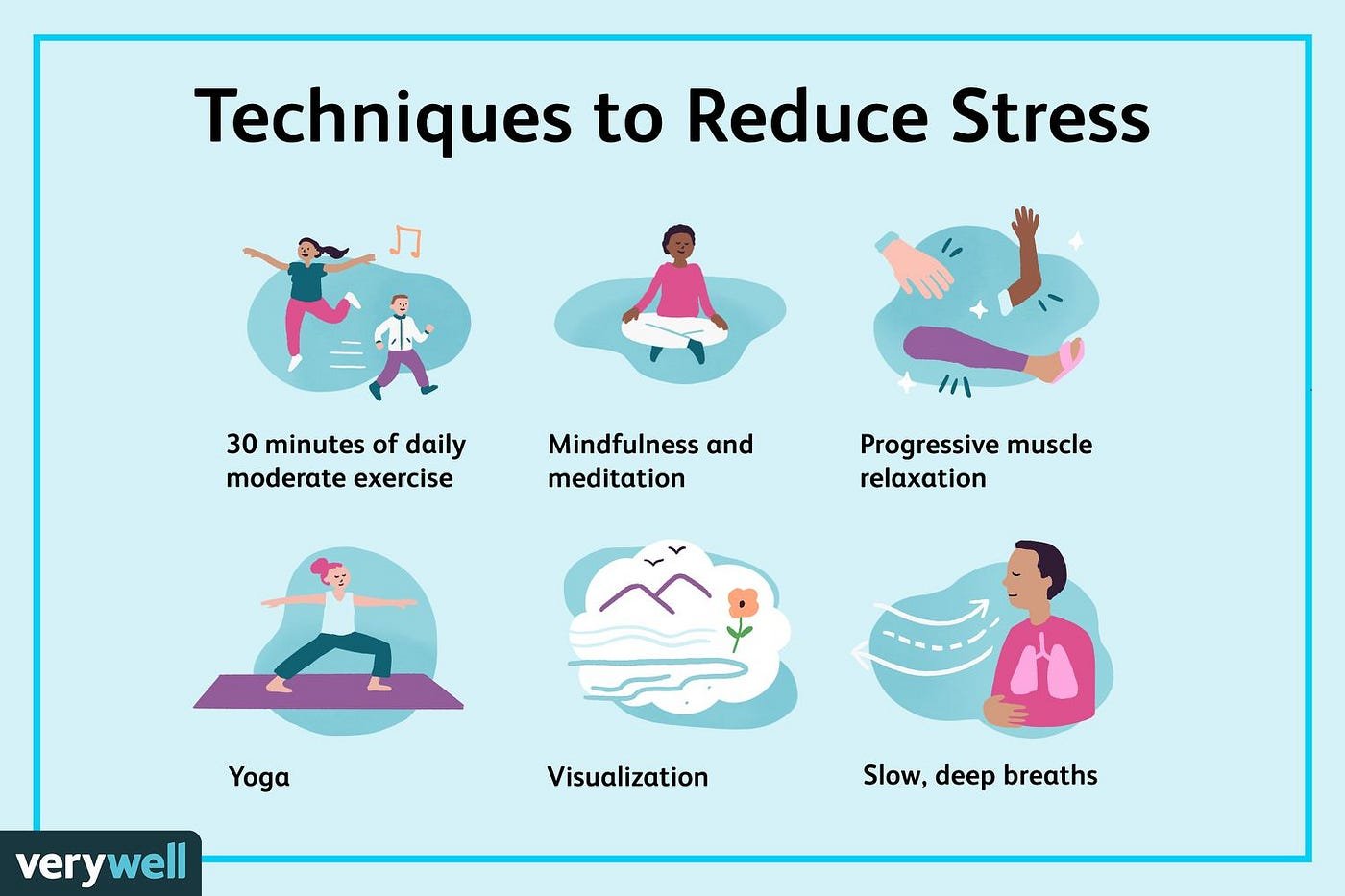
5 Effective Techniques to Manage Stress | by Noreen Qasim | Medium
Techniques for Stress Reduction
Deep breathing exercises calm the nervous system quickly. Meditation apps guide you through sessions. Talking to friends virtually shares the load, reminding you’re not alone.
Building Emotional Resilience
Practice gratitude by noting three good things daily. Limit news intake to avoid overload. Humor helped me—watching comedies turned rough days around.
- Breathing: Inhale for four, hold, exhale for four.
- Journaling prompts: What made me smile today?
- Virtual hangouts: Schedule coffee chats online.
- Nature breaks: Step outside for fresh air.
Pros and Cons of Mindfulness Apps
Pros: Guided sessions, reminders, progress tracking. Cons: Subscription costs, screen time fatigue. Free ones like Insight Timer worked wonders without breaking the bank.
Comparing Solo vs. Group Support
Solo: Flexible, introspective. Group: Shared experiences, accountability. During COVID, online groups via Zoom support bridged the gap effectively.
Tip 4: Establish a Solid Sleep Routine
Nights blurred into days with no commute, messing up my sleep. I set a bedtime alarm, dimmed lights early, and suddenly woke refreshed. Quality rest became my secret weapon against fatigue.
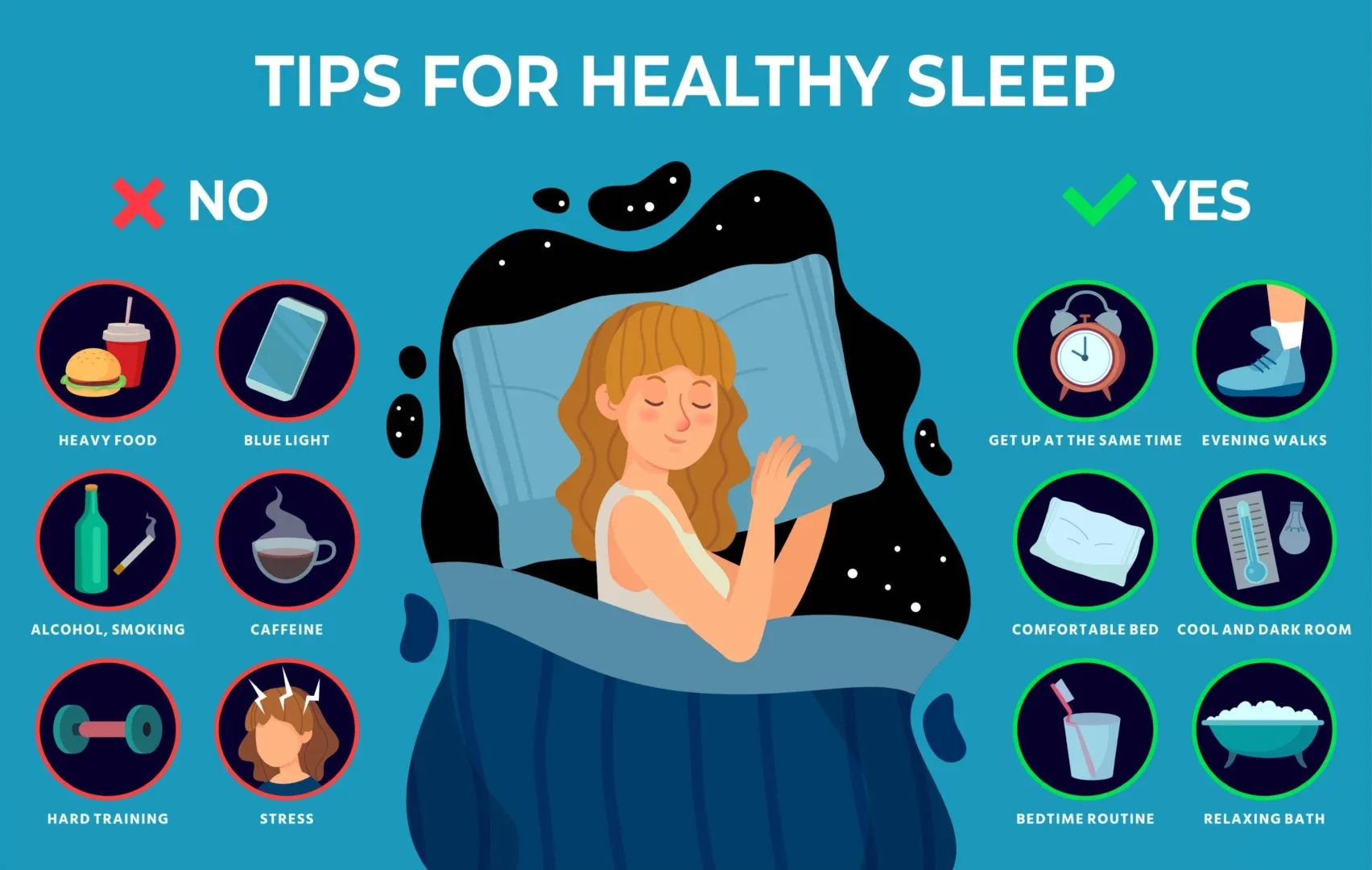
Sleep Hygiene Improvement Tips | Centers Health Care
Importance of Quality Sleep
Sleep repairs your body and bolsters immunity, key during outbreaks. Poor sleep heightens stress hormones, making everything feel worse. Aim for 7-9 hours to stay sharp.
Tips for Better Sleep Hygiene
Create a wind-down ritual like reading. Avoid screens an hour before bed. Keep your room cool and dark for optimal rest.
- Consistent schedule: Same bedtime every night.
- Relaxing teas: Chamomile to unwind.
- No caffeine after noon.
- Comfortable bedding for better comfort.
Pros and Cons of Sleep Trackers
Pros: Insights into patterns, motivation. Cons: Obsessive checking, inaccuracy. I used a basic one from Fitbit sparingly to avoid stress.
Pre-COVID vs. Pandemic Sleep Habits
Pre: Erratic from social plans. During: More consistent, leading to better energy. Studies show many improved sleep quality with routines.
People Also Ask
What are some self-care tips during the COVID-19 pandemic?
Fuel up with balanced meals, get moving daily, and prioritize rest. Connect with others virtually to combat loneliness. These basics keep you grounded.
How has the pandemic affected healthy lifestyles?
Many adopted better eating and exercise at home, but stress rose. Positive changes included more family time; negatives, like sedentary days, needed addressing.
What are tips for staying positive during the pandemic?
Focus on gratitude, maintain routines, and seek humor in small things. Virtual hobbies or pet time can lift spirits immensely.
How to maintain a healthy diet while working from home?
Plan meals ahead, stock healthy snacks, and set eating times. Avoid desk munching by designating a kitchen break.
Integrating These Tips into Your Routine
Blending these habits creates a holistic approach. Start small—one tip a week—to build momentum without overwhelm.
Where to Get More Resources
Check WHO’s healthy lifestyle advice for global tips. Local sites like CDC guidelines offer practical tools.
Best Tools for Tracking Health
Apps like Headspace for meditation or Strava for activity. Compare free vs. paid: Free suffice for basics, paid for advanced features.
FAQ
How can I boost my immune system during COVID?
Eat vitamin-rich foods, exercise regularly, and sleep well. Avoid stress through relaxation techniques for natural defense.
What are the best home exercises for beginners?
Start with walks, squats, or yoga poses. No gear needed—just consistency to build strength gradually.
How does stress affect health during a pandemic?
It weakens immunity and disrupts sleep. Managing it with mindfulness prevents long-term issues like anxiety.
Is hydration important for a healthy lifestyle?
Absolutely—aim for 8 glasses daily. It aids digestion, energy, and even mood stability.
Can social connections improve well-being?
Yes, virtual chats reduce isolation. They provide emotional support, making tough times more bearable.
Looking back, these tips didn’t just help me survive COVID—they reshaped my life for the better. I emerged stronger, with habits that stick even now. Give them a try; you might surprise yourself with how resilient you are. For more on post-pandemic wellness, explore our related article on recovery habits.