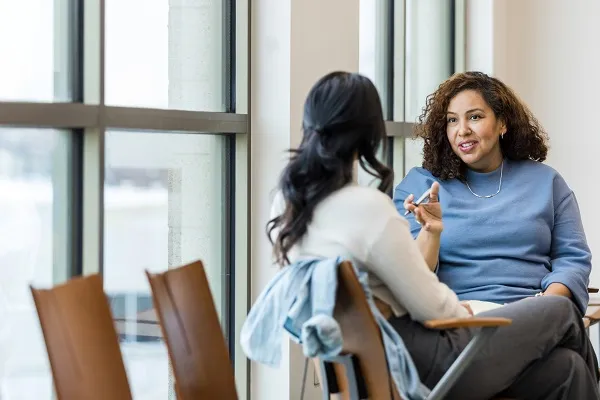
Imagine this: It’s a crisp morning in early 2026, and Sarah, a 42-year-old marketing executive and mom of two, wakes up feeling off again. Hot flashes hit her like unexpected summer storms, her energy dips lower than her coffee cup, and she’s juggling work deadlines with family chaos. Sound familiar? Sarah’s story isn’t unique—it’s a snapshot of why women’s health is finally stepping out of the shadows and into the bright lights of public conversation. For years, issues like menopause, hormonal imbalances, and preventive care were whispered about in doctor’s offices or among close friends. But now, with advancements in tech, shifting cultural attitudes, and a surge in awareness campaigns, women’s health is commanding center stage. Think about it: Conferences like Mayo Clinic’s Transforming Women’s Health 2026 are packing auditoriums, social media buzzes with real talk on everything from PCOS to mental wellness, and even policymakers are prioritizing it. This spotlight isn’t just timely—it’s overdue. As we dive into this article, we’ll explore the trends, challenges, and solutions making waves, drawing from personal tales, expert insights, and practical advice to empower you. Whether you’re navigating your own health journey or supporting someone else’s, let’s unpack why 2026 feels like a turning point for women everywhere.
Why Women’s Health is Gaining Momentum in 2026
Picture the health landscape as a stage where women’s issues were once relegated to the wings, overshadowed by broader medical narratives. But in 2026, the curtains are parting wide, thanks to a perfect storm of innovation, advocacy, and data-driven insights. Women are no longer content with one-size-fits-all advice; they’re demanding personalized, proactive care that addresses the full spectrum of their lives—from reproductive hurdles to aging gracefully. This shift is fueled by rising awareness of disparities, like higher maternal mortality rates among Black women, and a cultural push toward holistic wellness that blends science with self-empowerment.
The Role of Technology and Innovation
Gone are the days when tracking your cycle meant scribbling on a calendar—now, apps like Mira and Clue use AI to predict everything from ovulation to mood swings with scary accuracy. Innovations like GLP-1 drugs for weight management and advanced breast cancer screenings are game-changers, reducing risks and improving outcomes. But it’s not all gadgets; it’s about accessibility, making high-tech tools available to underserved communities and turning data into actionable health plans.
Cultural Shifts and Advocacy
Remember when talking about menopause felt taboo, like admitting you binge-watch rom-coms? Today, celebrities and influencers are owning it, sharing stories that normalize hot flashes and hormone dips. Advocacy groups, backed by organizations like the CDC, are amplifying voices on issues like gaslighting in healthcare—where women’s symptoms are dismissed as “just stress.” This cultural wave is building trust, encouraging more women to seek help early and fostering a community where health isn’t a solo act but a shared spotlight.
Key Trends Reshaping Women’s Health in 2026
If 2025 was about recovery post-pandemic, 2026 is all about reinvention, with trends emphasizing prevention over cure. From specialized supplements to community-driven wellness, these movements are putting women at the helm of their health journeys. It’s exciting—think of it as upgrading from a flip phone to a smartphone for your body.
Preventive Health Takes Center Stage
Preventive care is exploding, with experts predicting a boom in routine screenings and lifestyle tweaks to ward off issues like heart disease, the top killer for women. Imagine swapping reactive doctor visits for empowering annual check-ups that catch problems early—it’s like having a personal health GPS. This trend, highlighted in reports from sources like Continental Hospitals, stresses education on nutrition, exercise, and stress management, helping women build resilience against chronic conditions.
- Personalized Nutrition: Tailored plans rich in protein, fiber, and collagen to support hormonal balance and bone health.
- Mental Wellness Integration: Combining therapy with tech abstinence for better sleep and reduced anxiety.
- Fitness Travel: Wellness retreats blending yoga and nature hikes for holistic rejuvenation.
Menopause and Hormonal Health in Focus
Menopause isn’t just “the change”—it’s a chapter many women rewrite with confidence now. With conversations shifting to outside stressors like work demands, more resources are tackling symptoms head-on. It’s humorous in hindsight: One friend joked her hot flashes could power a small city, but seriously, this trend is about demystifying it through education and support.
Pros and Cons of Hormone Replacement Therapy (HRT)
Pros: Alleviates hot flashes, improves mood, protects bone density. Cons: Potential risks like blood clots; not suitable for everyone; requires doctor monitoring.
Rise of Community and Specialized Care
Community wellness is trending big, with women’s health summits like A4M’s event focusing on perimenopause and metabolic health. It’s like joining a book club, but for your body—sharing tips on everything from probiotics for gut health to predictive testing for autoimmunity. This fosters connection, reducing isolation around issues like infertility or PCOS.
Common Women’s Health Issues Explained
Women’s bodies are marvels, but they come with unique challenges that deserve the spotlight. From reproductive woes to mental health battles, understanding these issues is the first step to reclaiming control. Let’s break it down without the medical jargon overload.
Reproductive Health Concerns
Think of reproductive health as the engine room of women’s wellness—when it’s off, everything feels wobbly. Issues like PCOS affect one in ten women, causing irregular periods and fertility hiccups, often linked to insulin resistance. Early intervention, like lifestyle changes or meds, can make a world of difference, turning potential roadblocks into manageable bumps.
- Common symptoms: Weight gain, acne, excess hair growth.
- Where to get help: Clinics like Tia offer integrated care for quick appointments.
Mental Health and Emotional Well-Being
Mental health for women often intertwines with hormonal shifts, leading to higher rates of anxiety and depression. I recall my sister battling postpartum blues—it was raw, but therapy and support groups pulled her through, highlighting how vital open dialogue is. In 2026, trends like sound healing and vagus nerve stimulation are gaining traction for self-care.
Comparison: Traditional Therapy vs. Modern Wellness Practices
| Aspect | Traditional Therapy | Modern Wellness Practices |
|---|---|---|
| Focus | Talk-based sessions | Holistic, like meditation |
| Accessibility | In-person or virtual | Apps and home tools |
| Cost | Often insured | Varies, some affordable |
| Speed of Relief | Gradual | Quick for stress relief |
Heart Disease and Cancer Risks
Heart disease sneaks up quietly but hits hard, outpacing breast cancer as a leading threat. Factors like belly fat and stress amplify risks, but simple swaps—like adding omega-3s to your diet—can shield your ticker. Breast health basics, per Mayo Clinic, include regular mammograms starting at 40 for early detection.
- Risk reducers: 150 minutes of weekly exercise, balanced diet.
- Stats: One in five women die from heart disease (CDC data).
Pros and Cons of Regular Screenings
Pros: Early detection saves lives, peace of mind. Cons: Potential false positives, minor discomfort during tests.
Navigating Aging and Menopause
Aging gracefully? It’s more like aging boldly in 2026. Menopause marks a transition, but with the right tools, it’s empowering rather than exhausting. Hot flashes, mood swings—been there, felt that—but knowledge turns the tide.
Healthy Aging Strategies
As we hit our 50s, bone health and metabolism slow, but staying active keeps you vibrant. My grandma swore by daily walks; science backs her up, linking movement to longer, healthier lives. Focus on calcium-rich foods and strength training to combat osteoporosis.
Managing Menopause Symptoms
Symptoms vary, but common ones include night sweats and fatigue. Natural remedies like black cohosh or HRT options provide relief—consult your doc to weigh benefits. Emotional appeal: It’s okay to feel overwhelmed; you’re not alone in this rite of passage.
People Also Ask: Real Questions from Google
Drawing from common searches, here’s a dive into what folks are curious about—straight from the SERPs.
What Are the Top Women’s Health Concerns?
Top concerns include heart disease, breast cancer, and mental health, per CDC and Mayo Clinic. Preventive steps like diet and exercise tackle them head-on.
Is Vaginal Odor Normal, and When Should I Worry?
A mild odor is normal, varying with diet or cycle, but fishy smells might signal infection. See a doctor if it persists—better safe than sorry.
Why Are Women’s Symptoms Often Dismissed by Doctors?
Gaslighting stems from biases; advocate by tracking symptoms and seeking second opinions. Resources like Northwell Health articles empower you to push back.
What Health Issues Affect Women More Than Men?
Women face higher risks for autoimmune diseases, osteoporosis, and migraines, often tied to hormones. Awareness is key to bridging the gap.
How Can I Improve My Reproductive Health?
Track cycles, maintain a healthy weight, and get regular check-ups. Tools like fertility apps guide you toward better outcomes.
Best Tools and Resources for Women’s Health
Ready to take action? Here’s where transactional intent shines—best picks for tracking, treating, and thriving.
- Apps for Cycle Tracking: Flo or Natural Cycles for predictions and insights.
- Wearables: Fitbit’s women’s health features monitor sleep and stress.
- Books: “The Menopause Manifesto” by Dr. Jen Gunter for myth-busting advice. Buy here
Where to get care: Local clinics via Office on Women’s Health or specialized spots like Mayo Clinic.
The Future of Women’s Health: A Brighter Horizon
As we wrap up, reflect on Sarah’s story—she sought help, joined a wellness group, and now thrives. 2026’s spotlight on women’s health isn’t fleeting; it’s a movement toward equity, innovation, and empowerment. By embracing trends, addressing issues, and using resources, we can all step into healthier tomorrows. It’s not just about surviving—it’s about shining.
FAQ
What is the leading cause of death for women in 2026?
Heart disease remains the top killer, but preventive measures like exercise and diet are reducing rates, according to CDC updates.
How can I naturally manage menopause symptoms?
Incorporate soy-rich foods, yoga, and acupuncture; many women find relief without meds, but consult a professional for tailored advice.
What are the best preventive health steps for women?
Annual screenings, balanced nutrition, and stress reduction—think of it as investing in your future self.
Why is mental health crucial in women’s overall wellness?
It intersects with physical health; untreated anxiety can exacerbate issues like PCOS, making integrated care essential.
Where can I find reliable women’s health resources online?
Start with trusted sites like CDC Women’s Health or Mayo Clinic—they offer evidence-based info without the fluff.