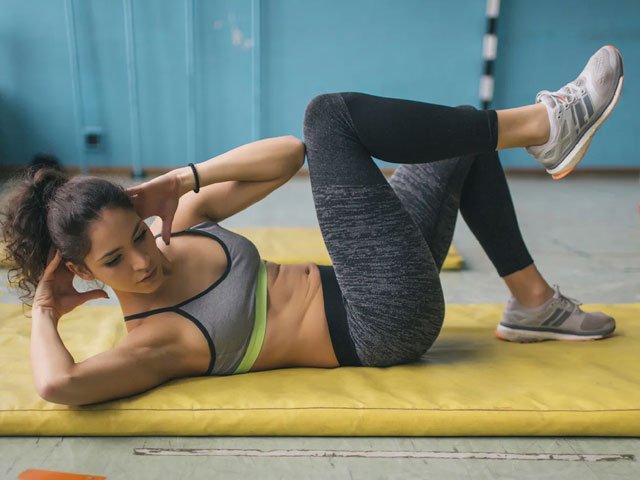
Turning 30 hit me like a gentle wave at first – exciting, full of new possibilities with my career picking up and friends settling into life. But then came the sneaky changes: a slower metabolism that made my favorite jeans a bit snugger, random aches after a late night, and that nagging feeling that I needed to pay more attention to my body. I wasn’t alone; chatting with girlfriends revealed we were all navigating this shift, from juggling work and family to wondering why recovery from a simple workout took longer. It’s funny how 30 feels young until your body whispers reminders that maintenance matters now more than ever. Staying fit after 30 isn’t about chasing youth; it’s about building habits that let you thrive through the decades ahead, feeling strong, energized, and confident.
Tip 1: Prioritize Strength Training for Bone and Muscle Health
As women cross into their 30s, our bodies start losing muscle mass naturally – about 3-5% per decade if we don’t intervene. I learned this the hard way when I skipped weights for cardio-only routines and noticed my arms tiring faster during everyday tasks like carrying groceries. Strength training flips the script, helping preserve bone density and boosting metabolism to keep weight in check.
Why Strength Training Matters After 30
Hormonal shifts, like declining estrogen, can accelerate bone loss, raising risks for osteoporosis later. Incorporating weights or resistance bands a few times a week builds resilience; think of it as investing in your future self, the one who wants to hike mountains or play with grandkids without worry. It’s empowering – I felt a rush the first time I deadlifted my body weight, proving age is just a number.
Best Exercises to Start With
Begin with compound moves that target multiple muscles for efficiency. Squats strengthen legs and core, while push-ups build upper body power. Aim for 2-3 sessions weekly, 30-45 minutes each, and always warm up to avoid injury.
- Squats: Stand with feet shoulder-width, lower as if sitting back into a chair, then rise. Do 3 sets of 10-12 reps.
- Deadlifts: Hinge at hips to lift weights from the ground, keeping back straight. Great for posture.
- Planks: Hold for 20-30 seconds to engage core muscles.
Pros and Cons of Home vs. Gym Workouts
Home workouts offer convenience and no intimidation factor, but gyms provide equipment variety and classes for motivation. On the flip side, home setups might lack guidance, risking form errors, while gyms can be costly or crowded.
| Aspect | Home Workouts | Gym Workouts |
|---|---|---|
| Cost | Low (bodyweight or basic gear) | Higher (membership fees) |
| Flexibility | Anytime, no travel | Scheduled classes |
| Guidance | Online videos | Trainers available |
| Social Aspect | Solo | Community vibe |
Tip 2: Incorporate Cardio for Heart Health and Endurance
Cardio became my sanity saver in my early 30s, especially during stressful work weeks. It’s not just about burning calories; it strengthens your heart, improves lung capacity, and releases endorphins that combat the mood dips from hormonal fluctuations. Walking briskly or cycling can make a world of difference without overwhelming your schedule.
Choosing the Right Cardio for Your Lifestyle
If you’re a busy mom like my friend Sarah, who squeezed in 20-minute jogs during lunch, opt for activities that fit seamlessly. Swimming is joint-friendly, ideal if you’ve got old injuries flaring up. The key is consistency over intensity to build stamina gradually.
How Much Cardio Do You Need?
Guidelines suggest 150 minutes of moderate cardio weekly – that’s about 30 minutes most days. Mix it up to avoid boredom: one day hiking, another dancing to your favorite playlist. Track with a simple app to see progress and stay motivated.
- Brisk walking: Aim for 10,000 steps daily; it’s free and accessible.
- Cycling: Indoor or outdoor, great for lower body toning.
- Jumping rope: Quick bursts for high impact in short time.
Comparing Low-Impact vs. High-Impact Cardio
Low-impact options like yoga flows protect joints but build endurance slower, while high-impact like running boosts calorie burn yet risks strain if not eased into.
| Type | Pros | Cons |
|---|---|---|
| Low-Impact (e.g., Swimming) | Gentle on joints, full-body | May need pool access |
| High-Impact (e.g., Running) | Builds bone density, quick results | Higher injury risk |
Tip 3: Focus on a Nutrient-Rich Diet to Fuel Your Body
I used to grab quick snacks on the go until 30 taught me that what I eat directly affects my energy and skin glow. A balanced diet with whole foods counters the metabolic slowdown, providing vitamins to support everything from immunity to hormone balance. It’s like giving your body premium fuel for a smoother ride.
Key Nutrients Women Need After 30
Calcium and vitamin D top the list for bone health, while omega-3s from fish help with inflammation. I started adding spinach and salmon to meals after noticing drier skin – small changes with big payoffs.
Meal Planning Made Simple
Plan weekly meals around veggies, lean proteins, and whole grains. Batch-cook on Sundays to avoid temptations; my go-to is quinoa salads loaded with nuts for crunch and satisfaction.
- Breakfast: Oatmeal with berries and nuts for fiber.
- Lunch: Grilled chicken salad with greens.
- Dinner: Baked fish with veggies.
Pros and Cons of Popular Diets
Mediterranean emphasizes plants and healthy fats for heart health but requires cooking time, whereas keto cuts carbs for quick weight loss yet can fatigue without balance.
| Diet | Pros | Cons |
|---|---|---|
| Mediterranean | Sustainable, flavorful | Prep-intensive |
| Keto | Rapid results | Nutrient gaps possible |
Tip 4: Ensure Quality Sleep for Recovery and Mood
Sleep turned into my secret weapon after 30, when late nights left me foggy and irritable. Aiming for 7-9 hours nightly repairs tissues, regulates hormones, and sharpens focus – essential as life gets busier. I recall pulling all-nighters in my 20s without issue; now, skimping on rest shows up as extra cravings or stress.
Creating a Sleep-Friendly Routine
Dim lights an hour before bed and avoid screens – blue light tricks your brain into wakefulness. Herbal tea became my ritual, signaling wind-down time.
Common Sleep Disruptors and Fixes
Caffeine after noon or irregular schedules sabotage rest. Establish a consistent bedtime, even weekends, for better quality.
- Blackout curtains: Block light for deeper sleep.
- White noise machine: Drowns out distractions.
- Journaling: Clears mind of worries.
Table of Sleep Needs by Age
| Age Group | Recommended Hours |
|---|---|
| 18-25 | 7-9 |
| 26-64 | 7-9 |
| 65+ | 7-8 |
Tip 5: Manage Stress to Protect Mental and Physical Health
Stress snuck up on me in my 30s, manifesting as headaches during deadlines. Chronic tension raises cortisol, impacting weight and immunity, so techniques like meditation became lifesavers. It’s okay to say no – boundaries preserve your well-being.
Everyday Stress Relief Methods
Breathwork, like 4-7-8 inhaling, calms instantly. I joined a weekly yoga class, turning “me time” into a non-negotiable.
When to Seek Professional Help
If anxiety lingers, talk to a therapist. Early intervention prevents burnout; my cousin’s story of therapy transforming her outlook inspired me.
- Meditation apps: Guided sessions for beginners.
- Nature walks: Free and refreshing.
- Hobby time: Knitting or reading for escape.
Pros and Cons of Stress Management Apps
Apps offer convenience and tracking but can’t replace human connection, while therapy provides depth yet requires commitment.
| Method | Pros | Cons |
|---|---|---|
| Apps | Accessible, affordable | Impersonal |
| Therapy | Personalized | Time-consuming |
Tip 6: Stay Hydrated for Overall Vitality
Hydration sounds basic, but dehydration hit me hard after 30, causing fatigue I mistook for aging. Water flushes toxins, aids digestion, and keeps skin plump – aim for 8-10 glasses daily, more if active.
Signs You’re Not Drinking Enough
Dry mouth or dark urine signal issues. I carry a reusable bottle as a reminder, infusing with lemon for flavor.
Boosting Intake Creatively
Herbal teas count too; experiment with cucumber water for a spa-like twist.
- Set reminders: Apps ping you hourly.
- Flavor add-ins: Fruits make it enjoyable.
- Track intake: Journals build habits.
Comparison of Water vs. Other Beverages
Water is calorie-free and pure, unlike sodas that add sugar and dehydrate.
| Beverage | Hydration Level | Extras |
|---|---|---|
| Water | High | None |
| Soda | Low | Sugar overload |
Tip 7: Schedule Regular Health Checkups
Annual doctor visits caught a vitamin deficiency for me at 31, preventing bigger problems. Screenings for blood pressure, cholesterol, and Pap smears detect issues early, especially as risks rise.
What to Expect in Your 30s
Discuss family history for tailored advice. Vaccinations like HPV keep you protected.
Finding the Right Doctor
Look for someone empathetic; online reviews helped me switch to a great PCP.
- Blood tests: Annual for basics.
- Mammograms: Start at 40 or earlier if at risk.
- Dental checkups: Twice yearly.
Pros and Cons of Telehealth vs. In-Person
Telehealth saves time but misses physical exams, while in-person builds rapport yet involves travel.
| Type | Pros | Cons |
|---|---|---|
| Telehealth | Convenient | Limited exams |
| In-Person | Thorough | Scheduling hassles |
For reliable info, check Mayo Clinic’s women’s health section.
Tip 8: Maintain a Healthy Weight with Mindful Habits
Weight crept up subtly after 30 due to slower metabolism, but mindful eating and activity reversed it. Focus on sustainable changes, not diets, for lasting results.
Tracking Without Obsession
Use apps for food logs, but listen to hunger cues too. My scale-free approach emphasized how clothes fit.
Incorporating Movement Daily
Stairs over elevators add up; park farther for extra steps.
- Portion control: Use smaller plates.
- Mindful eating: Savor each bite.
- Accountability buddies: Share goals with friends.
Table of Calorie Needs by Activity Level
| Activity | Daily Calories (Women) |
|---|---|
| Sedentary | 1,800-2,000 |
| Moderate | 2,000-2,200 |
| Active | 2,200-2,400 |
Link to internal page: Our guide to balanced nutrition.
Tip 9: Limit Alcohol and Quit Smoking for Longevity
Cutting back on wine nights improved my sleep and clarity immensely. Alcohol disrupts hormones, while smoking accelerates aging – quitting adds years.
Healthier Alternatives to unwind
Mocktails with sparkling water feel festive without hangovers.
Resources for Quitting
Apps and support groups make it doable; nicotine patches eased my friend’s transition.
- Limit to one drink daily.
- Smoke-free apps: Track progress.
- Herbal alternatives: Teas for relaxation.
Pros and Cons of Moderation vs. Abstinence
Moderation allows social enjoyment but risks slippage, abstinence guarantees benefits yet feels restrictive.
| Approach | Pros | Cons |
|---|---|---|
| Moderation | Flexible | Temptation |
| Abstinence | Clear health gains | Social adjustments |
Tip 10: Cultivate Joyful Habits and Social Connections
Happiness fuels fitness; I rediscovered painting in my 30s, reducing stress and sparking creativity. Nurture relationships – they buffer against isolation’s health tolls.
Building a Support Network
Join clubs or online communities for like-minded women. Laughter with friends boosts immunity, science says.
Hobbies That Enhance Well-Being
Gardening or reading – choose what lights you up.
- Weekly meetups: Coffee with pals.
- Volunteer work: Gives purpose.
- Gratitude journaling: Shifts mindset.
Comparison of Solo vs. Group Activities
Solo hobbies offer introspection, group ones build bonds.
| Type | Pros | Cons |
|---|---|---|
| Solo | Flexible timing | Potential loneliness |
| Group | Motivation from others | Scheduling conflicts |
People Also Ask
What is the best diet for women over 30?
A balanced diet rich in whole foods supports metabolism and hormones. Focus on proteins like lean meats, fiber from veggies, and healthy fats from avocados. Avoid extremes; sustainability wins for long-term health.
How much exercise do women need after 30?
Aim for 150 minutes of moderate activity weekly, plus strength training twice. It’s about quality – brisk walks or yoga count. Listen to your body to prevent overexertion.
What health screenings are important in your 30s?
Annual physicals, Pap smears every 3-5 years, and blood tests for cholesterol and diabetes. If family history suggests, add thyroid checks. Early detection is key.
How can I manage hormonal changes after 30?
Incorporate omega-3s, manage stress with mindfulness, and get enough sleep. Consult a doctor for symptoms like irregular cycles; natural remedies like herbal teas can help.
Where to find support for fitness goals?
Local gyms offer classes, or apps like MyFitnessPal track progress. Community groups on platforms like Facebook provide motivation without cost.
FAQ
Why does fitness feel harder after 30?
Metabolism slows, and recovery takes longer due to hormonal shifts. But consistent habits rebuild resilience – it’s not impossible, just requires smarter approaches.
What supplements should women over 30 consider?
Vitamin D for bones, B12 for energy, and perhaps iron if deficient. Always check with a doctor first; food sources are ideal.
How to stay motivated for health goals?
Set small, achievable targets and celebrate wins. Partner with a friend for accountability – sharing laughs makes it fun.
Best tools for tracking fitness?
Wearables like Fitbit monitor steps and sleep. Apps such as Strava for runs or Calm for meditation enhance routines affordably.
Can I start exercising if I’ve been inactive?
Absolutely – begin slow with walks or beginner yoga. Consult a doc if health concerns; building gradually prevents injury.
Staying fit after 30 is a journey of self-care, blending discipline with joy. From my experience, these tips transformed scattered efforts into a vibrant lifestyle. Embrace the changes, listen to your body, and remember – you’re building a stronger tomorrow today. For more on women’s wellness, explore Harvard Health’s guide.