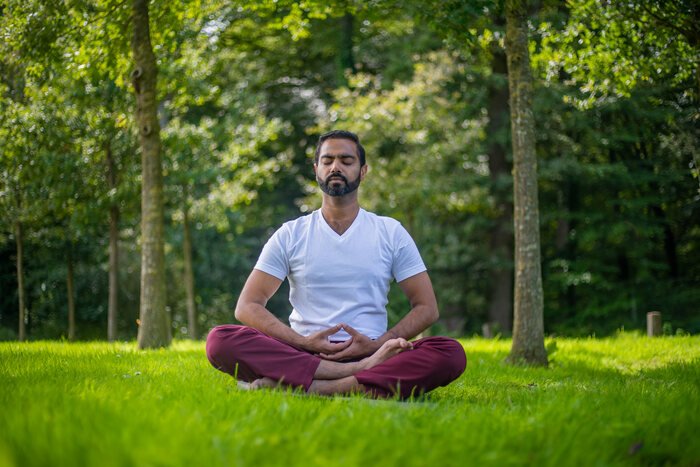
You know those days when life feels like a whirlwind, pulling you in every direction? I had one of those a few years back, juggling a demanding job and family chaos, barely catching my breath. That’s when a friend dragged me to a local yoga class. Skeptical at first, I unrolled my mat and dove into a simple meditation session at the end. What started as awkward fidgeting turned into a quiet moment where my racing thoughts slowed, and a sense of calm washed over me. It wasn’t magic, but it felt close. Yoga meditation isn’t just about twisting into pretzels or chanting in a dimly lit room—it’s a practical way to tap into inner peace and boost your overall wellness. Blending physical postures with mindful breathing and focus, it helps quiet the mind while strengthening the body. In this article, we’ll explore how it works, its benefits, and how you can start, drawing from ancient roots to modern science. Whether you’re stressed out or just curious, let’s uncover why so many people swear by it for a more balanced life.
What is Yoga Meditation?
Yoga meditation combines the physical practice of yoga postures, or asanas, with meditative techniques to foster mindfulness and self-awareness. It’s not about emptying your mind completely but observing thoughts without judgment, often using breath as an anchor. This fusion helps align body and spirit, creating a pathway to deeper relaxation and clarity in everyday life.
The Difference Between Yoga and Meditation
While yoga often involves movement and strength-building, meditation focuses on stillness and mental focus—yet in yoga meditation, they blend seamlessly for holistic benefits. Think of yoga as preparing the body like tilling soil, and meditation as planting seeds of peace that grow over time. Many practitioners find this combo more accessible than sitting still alone.
How Yoga Meditation Differs from Other Forms
Unlike standalone mindfulness apps that might feel detached, yoga meditation incorporates gentle stretches to release tension first, making it easier to settle into a meditative state. It’s rooted in traditions like Hatha or Kundalini, emphasizing energy flow through chakras for emotional balance. This makes it ideal for those seeking both physical vitality and mental calm.
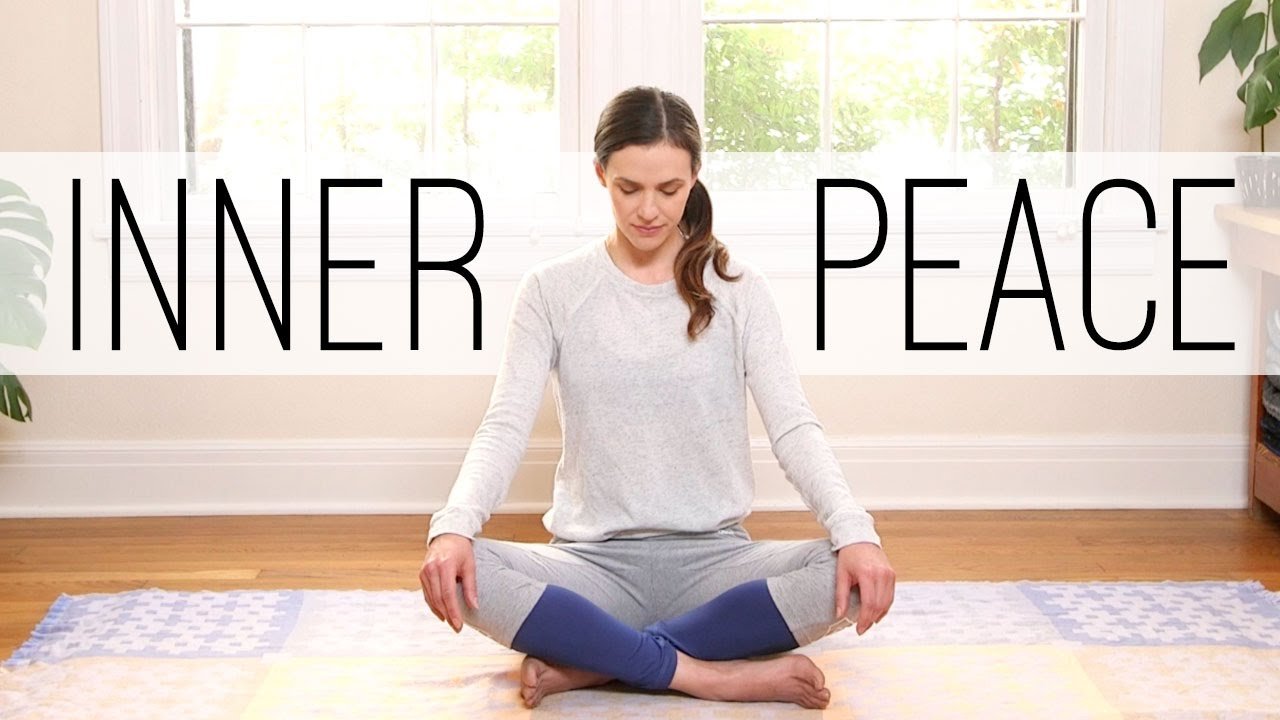
Meditation For Inner Peace – Yoga With Adriene
The History of Yoga Meditation
Yoga meditation traces back over 5,000 years to ancient India, evolving from Vedic texts that emphasized union with the divine through breath and focus. Patanjali’s Yoga Sutras formalized it around 400 CE, outlining eight limbs including dhyana (meditation) for enlightenment. Over centuries, it spread globally, adapting to modern wellness needs while retaining its core aim of inner harmony.
Ancient Roots in Indian Philosophy
In the Upanishads, meditation was seen as a tool to transcend ego and connect with universal consciousness, blending with yoga poses for spiritual growth. Sages practiced in ashrams, using mantras to quiet the mind amid life’s distractions. This foundation highlights its timeless role in cultivating peace beyond fleeting happiness.
Evolution in the Modern World
Fast-forward to the 20th century, when figures like Swami Vivekananda introduced it to the West, blending it with science-backed wellness. Today, it’s in apps and studios, helping millions combat stress—yet it stays true to its origins, offering a refuge in our fast-paced lives.
Benefits of Yoga Meditation for Inner Peace
I’ve shared how it helped me unwind after tough days, but let’s break it down. Regular practice reduces cortisol levels, easing anxiety and fostering a serene mindset. It’s like hitting a reset button, allowing emotions to flow without overwhelming you. Many report feeling more centered, even in chaos.
- Lowers stress by promoting deep breathing and mindfulness.
- Enhances emotional resilience, helping you bounce back from setbacks.
- Builds self-compassion, reducing self-criticism for true inner harmony.
- Improves sleep quality, leading to rested, peaceful mornings.
From my experience, after a few weeks, petty worries lost their grip—humorously, I even laughed off a spilled coffee instead of stressing. Science backs this; studies show it rewires the brain for calm.
Mental Clarity and Focus
Yoga meditation sharpens attention by training the mind to stay present, cutting through mental fog like a gentle breeze. Sessions often leave you with heightened awareness, making decisions feel effortless. It’s a game-changer for anyone juggling multiple roles.
Reducing Anxiety and Depression
By observing thoughts without attachment, it diminishes rumination that fuels anxiety, offering a natural mood lift. Paired with poses, it releases endorphins, combating depressive feelings effectively. Users often feel lighter, as if shedding emotional baggage.

Yoga & Meditation Benefits Infographics Powerpoint Template and …
Benefits of Yoga Meditation for Overall Wellness
Beyond peace, it boosts physical health—think stronger immunity and better heart function. I once caught fewer colds after starting, attributing it to reduced inflammation from practice. It’s a full-body tune-up, enhancing vitality in ways gym workouts alone can’t.
Here’s a comparison table of key wellness benefits:
| Aspect | Yoga Meditation Benefits | Supporting Evidence |
|---|---|---|
| Physical Health | Improves flexibility, strength, and balance | Reduces chronic pain, per Johns Hopkins studies |
| Mental Health | Enhances mood and cognitive function | Lowers depression symptoms, Harvard Health reports |
| Emotional Wellness | Builds kindness and self-awareness | Increases compassion via loving-kindness techniques |
| Sleep Quality | Promotes deeper, restorative rest | Controls insomnia, Healthline notes |
| Cardiovascular | Decreases blood pressure | Relaxes nerve signals for heart health |
Pros: Holistic, accessible, no equipment needed. Cons: Requires consistency; beginners may feel restless initially.
Physical Health Improvements
Poses build core strength while meditation lowers blood pressure, creating a synergy for longevity. It’s gentle on joints, ideal for all ages, preventing issues like back pain.
Boosting Immunity and Energy
Regular sessions increase white blood cells, fighting off illnesses naturally. Energy levels soar as stress drains less, leaving you vibrant and ready for the day.
Types of Yoga Meditation
There are several styles, each suiting different needs—from active to serene. I started with Hatha for its simplicity, easing into deeper practices. Explore to find your fit.
Mindfulness Meditation in Yoga
Focus on breath during poses, observing sensations without judgment for present-moment awareness. It’s grounding, perfect for beginners seeking calm amid busyness.
Transcendental Meditation
Using a personal mantra, you transcend thoughts for profound rest—deeper than sleep. Integrated with yoga, it amplifies relaxation and creativity.
Kundalini Yoga Meditation
Awakens energy through dynamic breathing and chants, blending movement for spiritual awakening. Energetic and transformative, it’s great for those craving intensity.
Yoga Nidra for Deep Relaxation
Guided “yogic sleep” scans the body for total release, healing stress at subconscious levels. Feels like a power nap with lasting peace.
Pros of Kundalini: Boosts vitality. Cons: Can be overwhelming for starters.
How to Start Yoga Meditation for Beginners
Getting going is simpler than you think—no fancy gear required. Begin in a quiet spot, perhaps with a candle for focus. I fumbled at first, but persistence paid off.
- Find a comfortable seat or mat; use cushions for support.
- Set a timer for 5-10 minutes to avoid clock-watching.
- Close eyes, breathe deeply—in through nose, out through mouth.
- If mind wanders, gently return to breath; no self-scolding.
For classes, check local studios or apps like Insight Timer. [Internal link: /beginners-yoga-guide]
Essential Poses for Beginners
Start with Easy Pose (Sukhasana) for stability, hands on knees. It’s basic yet powerful for building focus.
Breathing Techniques to Try
Practice Ujjayi breath—ocean-like sound in throat—for calming the nervous system. Simple yet effective for wellness.
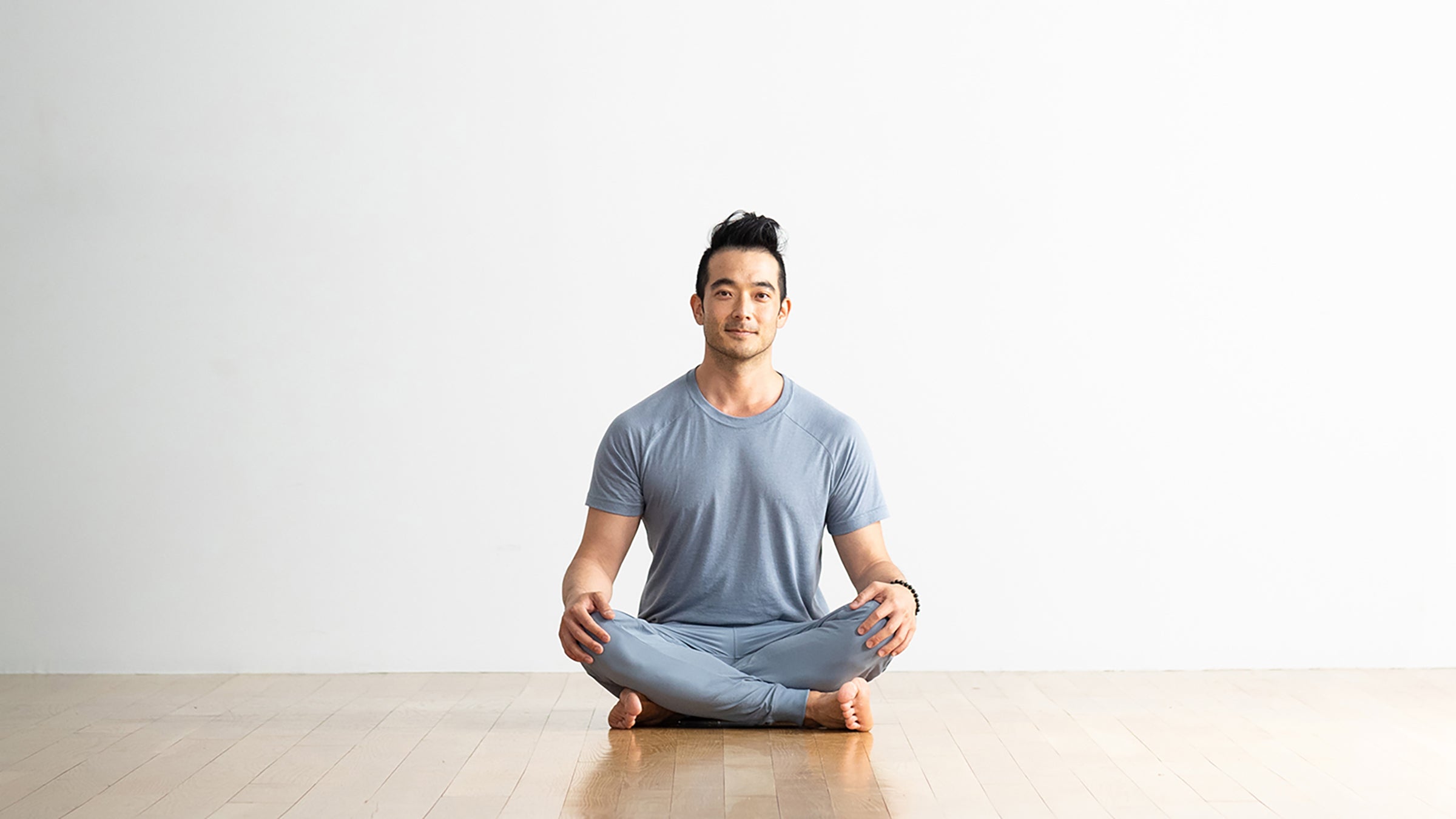
Easy Pose: How to Practice Sukhasana – Yoga Journal
Common Challenges in Yoga Meditation
Everyone hits roadblocks, like a chattering mind or physical discomfort. I once quit mid-session from knee pain—lesson learned: adjust as needed.
Overcoming Restlessness
Start small; even 2 minutes counts. Use guided audio to stay engaged, turning frustration into growth.
Dealing with Distractions
Choose a dedicated space; inform family for uninterrupted time. Over time, external noise fades into background.
Integrating Yoga Meditation into Daily Life
Make it routine, like brushing teeth—morning sessions set a peaceful tone. I sneak in breaths during commutes, turning traffic into tranquility.
Daily Routines and Schedules
Pair with morning coffee for 10 minutes; evenings unwind the day. Consistency breeds habit, enhancing wellness effortlessly.
Combining with Other Wellness Practices
Blend with walking for moving meditation, or journaling post-session for insights. It amplifies diets and exercise for holistic health.
People Also Ask
Drawing from common queries, here are real questions people search on Google about yoga meditation.
What is the difference between yoga and meditation?
Yoga includes physical poses, while meditation is mental focus—but together, they enhance each other for deeper peace.
Can I do yoga and meditation together?
Absolutely; many classes combine them, like ending asanas with seated meditation for full benefits.
What are the benefits of yoga meditation?
It reduces stress, improves focus, and boosts immunity, fostering inner peace and wellness.
How does yoga meditation help with inner peace?
By calming the mind and releasing tension, it creates space for emotional balance and clarity.
Is yoga meditation suitable for beginners?
Yes, start simple with guided sessions; no prior experience needed for noticeable gains.
Best Tools and Resources for Yoga Meditation
For tools, grab a quality mat from Manduka or apps like Calm for guided sessions. Books like “The Miracle of Mindfulness” by Thich Nhat Hanh offer depth.
- Mats: Affordable options on Amazon for comfort.
- Apps: Headspace for beginner-friendly tracks.
- Online Classes: Yoga with Adriene on YouTube—free and engaging. [External link: https://yogawithadriene.com]
Where to get started: Local studios via ClassPass or online platforms like Glo.
Pros: Variety keeps it fresh. Cons: Overwhelm from choices—pick one and stick.
FAQ
How long should I meditate daily for inner peace?
Start with 5-10 minutes; build to 20 for deeper effects. Consistency matters more than duration.
Can yoga meditation help with sleep issues?
Yes, it relaxes the mind, reducing insomnia—try Yoga Nidra before bed for restful nights.
What if I can’t sit still during meditation?
Use walking meditation or gentle yoga flows; it’s about adaptation, not perfection.
Is yoga meditation religious?
No, it’s a secular practice focused on wellness, though rooted in spiritual traditions—adapt to your beliefs.
How soon will I see benefits from yoga meditation?
Many feel calmer after one session, but lasting changes come in weeks with regular practice.
In wrapping up, yoga meditation has been my anchor through ups and downs, offering not just peace but a fuller life. Remember that spilled coffee story? Now, it’s a reminder that small practices yield big shifts. Give it a try—you might surprise yourself with the calm you uncover. For more, explore [internal link: /wellness-tips]. Stay well.