
Hey there—let’s talk about fitness. I’ve been on my own journey with this stuff for years, starting from couch potato days in my late 20s when I could barely run a block without gasping. Back then, I thought fitness was just for gym buffs or marathon runners. Boy, was I wrong. Fitness is simply your body’s ability to handle everyday life—and the unexpected stuff—without falling apart. It’s not about looking like a fitness model (though that’s a nice bonus sometimes). It’s about feeling strong, energetic, and ready for whatever comes your way.
In my experience, getting fit changed everything for me. I sleep better, stress less, and even handle work deadlines with more focus. And trust me, if I can stick with it through busy seasons and lazy winters, anyone can. We’ll dive deep into what fitness really means, the science-backed benefits that go way beyond weight loss, and practical steps to get started without overwhelming yourself.

What Is Fitness?
Fitness isn’t a one-size-fits-all thing. At its core, it’s the ability to perform physical tasks efficiently, with energy left over. Experts break it down into health-related components that directly impact your well-being.
These include cardiovascular endurance (how well your heart and lungs deliver oxygen during activity), muscular strength and endurance (your muscles’ power and stamina), flexibility (joint range of motion), and body composition (the ratio of fat to muscle, bone, and other tissues). There’s also skill-related fitness—like agility, balance, and speed—but for most of us chasing better health, the health-related ones are key.
I remember when I first learned this. I was huffing through a beginner hike with friends, wondering why I felt so wiped out while they chatted away. Turns out, my cardio endurance was zilch. Building fitness means improving these areas gradually, turning “I can’t” into “Watch me.”
The Key Components of Physical Fitness
Let’s break down those main components a bit more. Each one plays a unique role in how your body functions day to day.
Cardiovascular Endurance
This is your heart and lungs’ teamwork during sustained activity, like brisk walking or cycling. It keeps you going without quick fatigue.
Strong cardio lowers risks for heart disease and boosts overall stamina. Think of it as upgrading your body’s engine.
Muscular Strength and Endurance
Strength is the max force your muscles can exert—like lifting a heavy box. Endurance is repeating that effort, say during a set of push-ups.
These build bone density, improve posture, and make daily chores easier. I once struggled carrying groceries up stairs; now it’s no big deal.
Flexibility
This allows joints to move freely, reducing injury risk and easing tightness.
Activities like yoga or simple stretches help here. It’s what lets you bend down to tie shoes without groaning.
Body Composition
It’s the balance of fat versus lean mass. A healthier ratio supports metabolism and reduces chronic disease risks.
It’s not about chasing a number on the scale but feeling capable in your skin.

The Incredible Health Benefits of Fitness
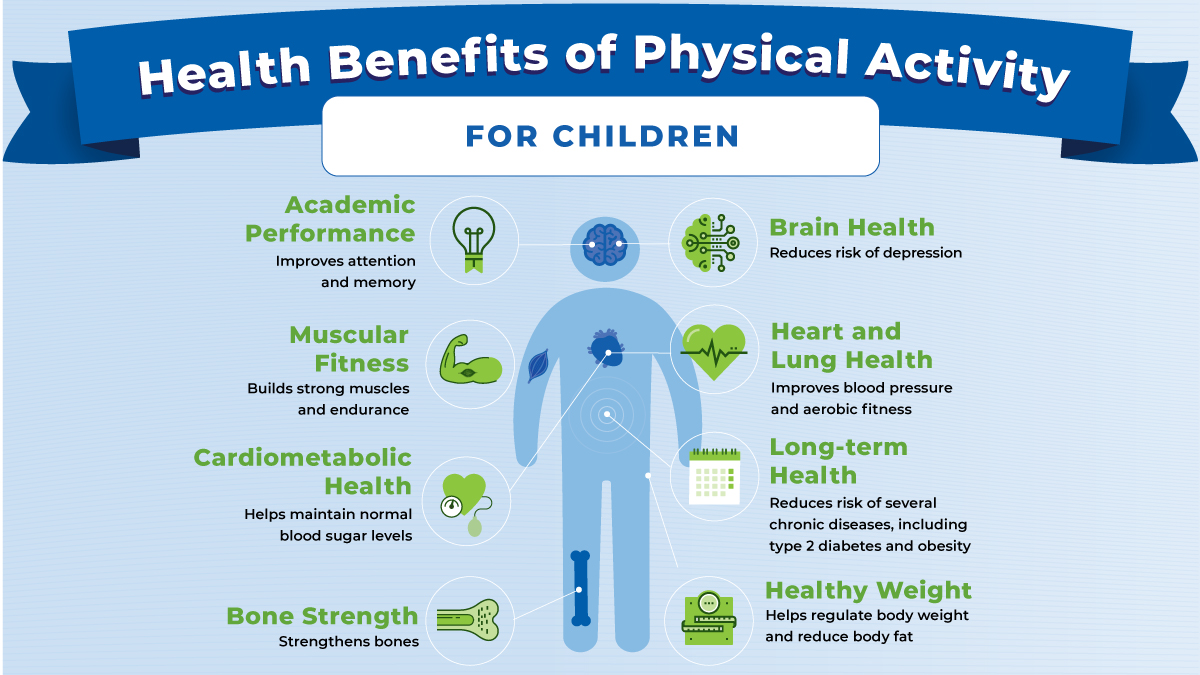
The perks of getting fit are backed by tons of research from places like the CDC, Mayo Clinic, and Harvard Health. Regular activity isn’t just “good for you”—it’s a game-changer for longevity and quality of life.
Studies show active people have lower risks of heart disease, stroke, type 2 diabetes, and certain cancers. It even sharpens your brain, cutting dementia risk and boosting mood through endorphins.
One of my favorite stories: A friend in her 50s started walking daily after a health scare. Within months, her blood pressure dropped, anxiety eased, and she had energy to play with grandkids. That’s real-life proof.
Physical Health Benefits
Fitness strengthens your heart, making it pump more efficiently and lowering blood pressure and cholesterol.
It helps manage weight by burning calories and building muscle, which revs metabolism. Bone health improves too—weight-bearing exercises fight osteoporosis.
Even better sleep comes from it; your body craves rest after movement.
Mental and Emotional Benefits
Exercise releases feel-good chemicals, reducing depression and anxiety symptoms—sometimes as effectively as therapy.
It sharpens focus, memory, and cognitive function as you age. I notice on days I move, I’m more productive and patient.
Stress melts away; that post-workout calm is no joke.
Long-Term Disease Prevention
Consistent activity slashes risks for chronic conditions. The CDC notes it can prevent eight types of cancer and improve outcomes for survivors.
It bolsters immunity, helping fend off illnesses like flu or even severe COVID cases. Overall, fit folks often live longer, healthier lives.
Here’s a quick pros and cons list for jumping into fitness:
Pros:
- More energy for daily life
- Better mood and reduced stress
- Stronger body and lower disease risk
- Improved sleep and self-confidence
Cons:
- Initial soreness or time commitment
- Risk of overdoing it if not careful
- Motivation dips on tough days (but that’s normal!)
| Benefit Category | Examples | Supporting Evidence |
|---|---|---|
| Cardiovascular | Lower blood pressure, stronger heart | Mayo Clinic: Reduces heart disease risk by up to 30% |
| Mental Health | Reduced anxiety, better cognition | Harvard Health: Boosts brain cell growth |
| Weight Management | Improved metabolism, fat loss | CDC: Helps maintain healthy weight long-term |
| Bone and Joint | Increased density, flexibility | Prevents osteoporosis and falls in older adults |


Types of Exercise to Build Fitness
To hit all components, mix these up. The guidelines recommend 150 minutes of moderate aerobic activity weekly, plus strength training twice a week.
Aerobic (Cardio) Exercise
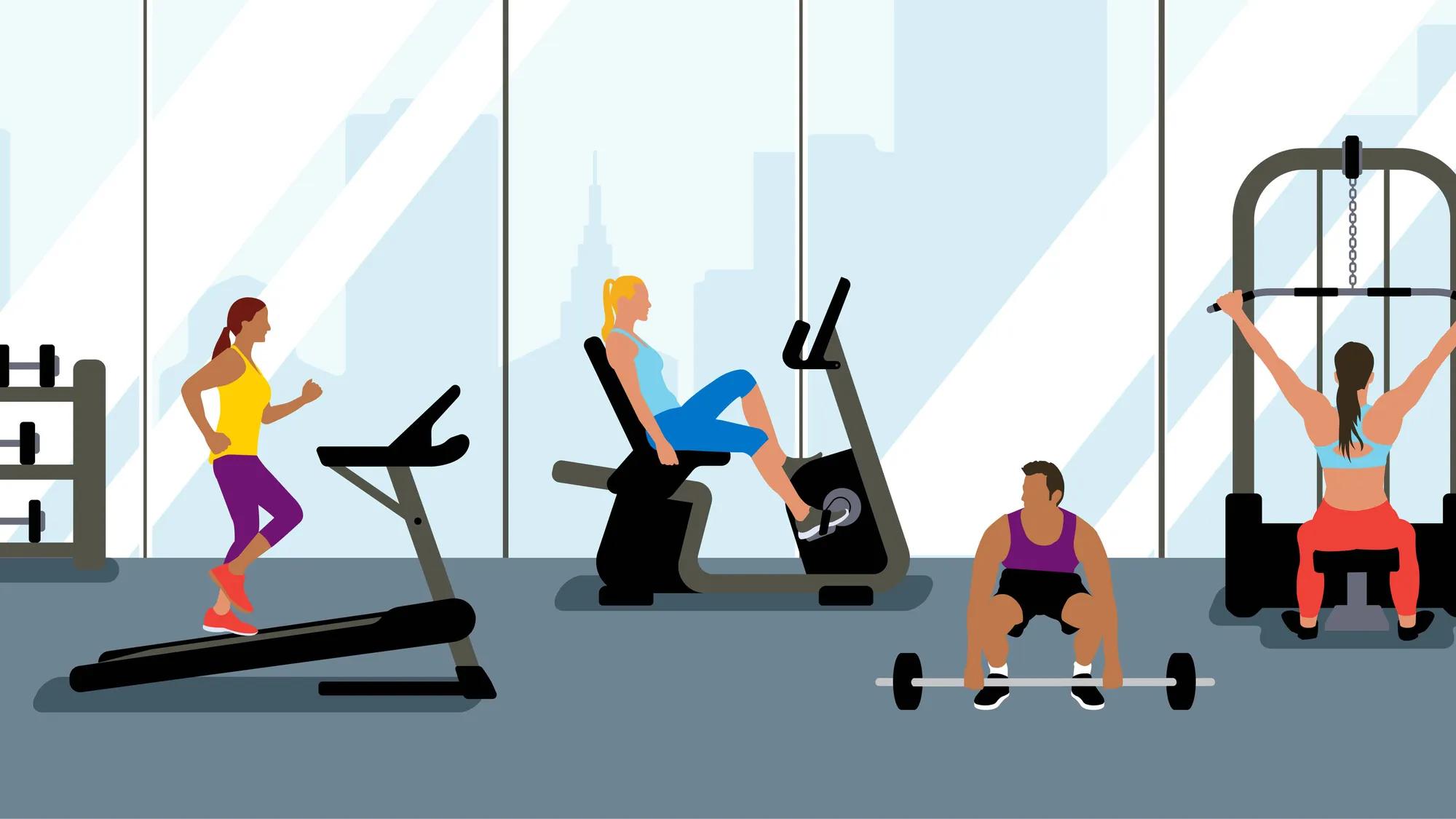
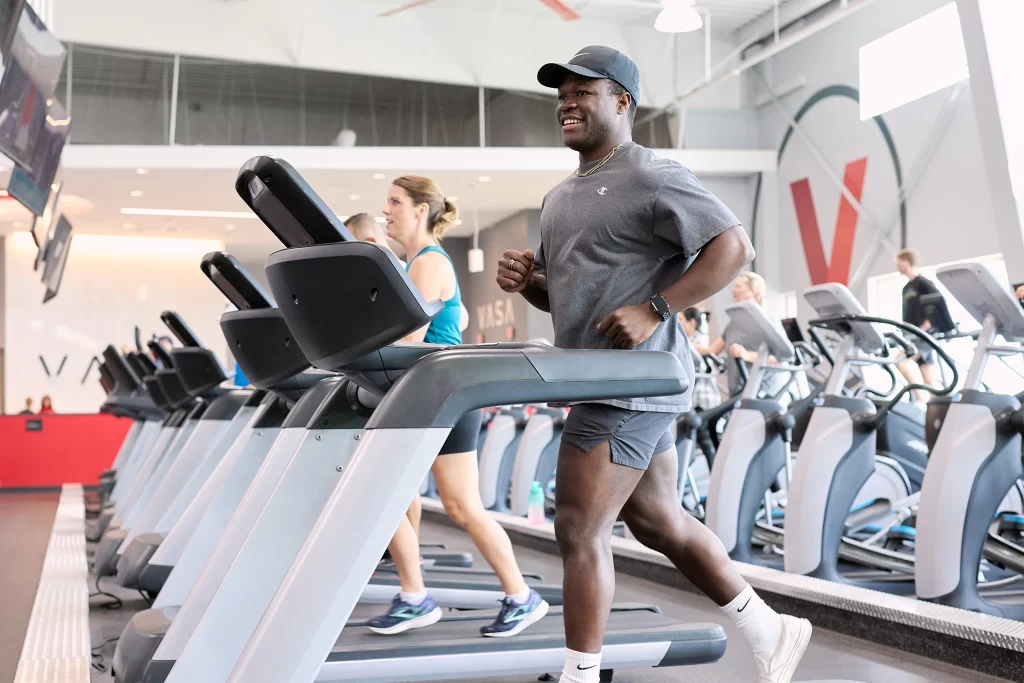
Activities like running, swimming, or dancing get your heart pumping.
They build endurance and burn calories. Start with walking—it’s free and effective.
Strength Training
Using weights, bands, or bodyweight (push-ups, squats) builds muscle.
It boosts metabolism and strength. No gym needed; home routines work wonders.
Flexibility and Balance Work
Yoga, stretching, or tai chi improve range and stability.
Great for preventing injuries and staying agile.
Comparing Exercise Types
| Type | Best For | Examples | Beginner Tip |
|---|---|---|---|
| Cardio | Heart health, endurance | Brisk walking, cycling | Start slow, 10-20 minutes |
| Strength | Muscle building, bones | Squats, planks | Bodyweight first, add weights later |
| Flexibility | Mobility, recovery | Yoga stretches | Daily 10 minutes |
| Balance | Fall prevention | Single-leg stands | Hold onto chair if needed |
Getting Started: A Beginner’s Guide
If you’re new or restarting, don’t dive in headfirst—that’s how I burned out early on. Start small, build habits.
First, chat with your doctor, especially if inactive or with conditions.
Assess Your Current Level
Be honest: How active are you now? Track a week, note energy and any aches.
Set realistic goals, like walking 20 minutes three times a week.
Create a Simple Plan
Aim for the basics: 150 minutes moderate activity (brisk walk counts) plus two strength sessions.
Mix it up to avoid boredom. Apps like Couch to 5K or free YouTube routines are gold for beginners.
I started with home bodyweight circuits—no equipment, just consistency.
Home vs. Gym Workouts
Home is convenient and free. Gyms offer equipment and classes.
Try both; many beginners thrive at home first.
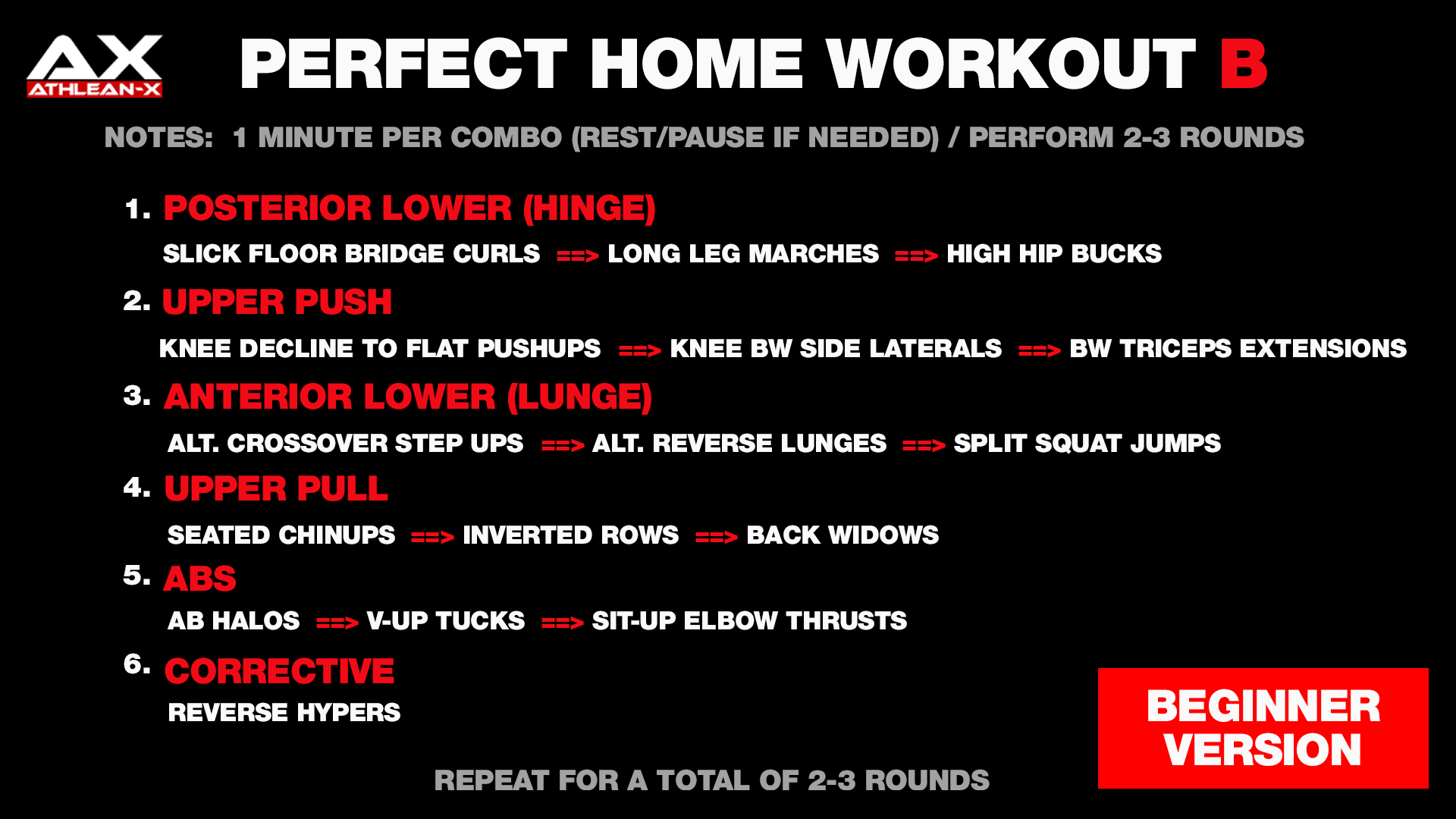
Sample Beginner Routine (No Equipment)
Warm up 5 minutes marching in place.
- Squats: 3 sets of 10
- Push-ups (knee version): 3 sets of 8
- Planks: Hold 20 seconds, 3 times
- Walking lunges: 10 per leg
Cool down with stretches. Do 3-4 days a week.
Overcoming Common Barriers
Busy? Break into 10-minute bouts.
No motivation? Pair with podcasts or a friend.
Sore? Rest and ease in—soreness fades.
Funny story: My first “run” was mostly walking with dramatic wheezing. Now I jog trails for fun. Progress sneaks up on you.
Best Tools and Programs for Beginners
- Free: YouTube channels like Fitness Blender or NHS Strength and Flex.
- Apps: Nike Training Club (free workouts), or beginner plans in Apple Fitness+.
- Wearables: A simple tracker motivates steps.
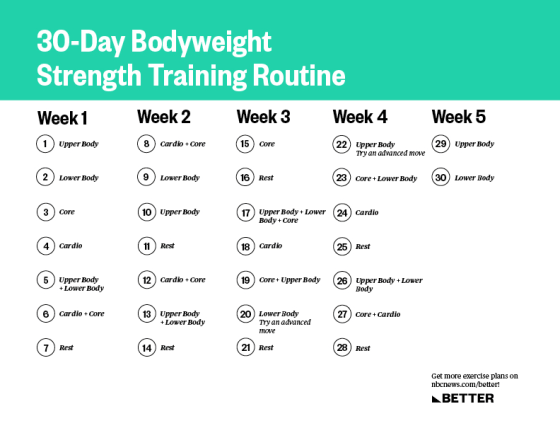
For structured starts, try a 30-day bodyweight plan—many free online.
Staying Motivated and Tracking Progress
Track wins: Photos, measurements, or how clothes fit.
Celebrate non-scale victories, like climbing stairs easily.
Find accountability—a buddy or group class.
Plateaus happen; switch routines.
Remember why you started. For me, it’s chasing my kids without tiring—or just feeling alive.
People Also Ask (PAA)
Here are common questions from searches:
What are the 7 benefits of regular physical activity? Improved heart health, weight control, stronger bones, better mood, sharper thinking, reduced disease risk, and more energy (per Mayo Clinic).
Why is physical activity so important for health? It prevents chronic diseases, boosts mental health, and adds healthy years to life (American Heart Association).
How much exercise do I need? At least 150 minutes moderate or 75 vigorous weekly, plus strength twice (CDC guidelines).
Can exercise help with anxiety and depression? Yes—it’s proven to reduce symptoms, often as well as meds for mild cases (Harvard Health).
Is walking enough to get fit? It’s a great start for cardio and weight management, but add strength for full benefits.
FAQ
What is the difference between exercise and physical activity? Physical activity is any movement (gardening, walking). Exercise is planned and structured for fitness.
How long until I see fitness benefits? Some, like better mood, in days. Strength and endurance build in weeks; major changes in months.
Do I need a gym membership to get fit? No—bodyweight, walking, and home routines work great for beginners.
What if I have joint pain or a condition? Consult a doctor; low-impact like swimming or chair exercises can help.
How can I make fitness a lifelong habit? Choose enjoyable activities, start small, track progress, and forgive slip-ups.
Fitness transformed my life from tired and stressed to vibrant and capable. It’s not perfection—it’s progress. Start today, even with a short walk. Your future self will thank you. For more, check trusted sites like CDC Physical Activity Guidelines or Mayo Clinic Exercise Basics.