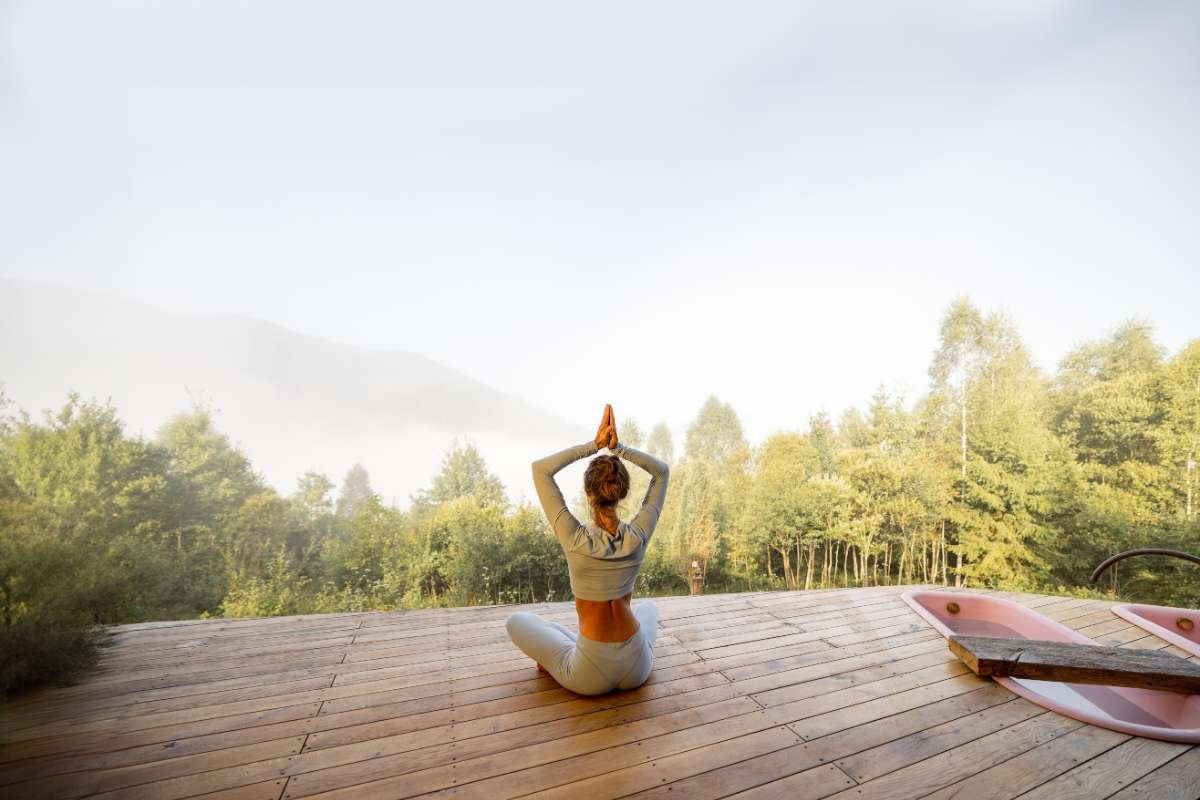
Hey there, reader. Picture this: It’s a crisp autumn morning in 2018, and I’m sitting cross-legged on my living room floor, eyes closed, trying to “meditate” for the first time. My mind’s racing like a hamster on a wheel—work deadlines, that awkward conversation with my boss, what to make for dinner. Ten minutes in, I give up and unroll my yoga mat instead. As I flow through a few sun salutations, something shifts. My breath steadies, my muscles loosen, and suddenly, the chaos quiets. That day sparked my love affair with both practices, and over the years, I’ve woven them into my routine. They’ve helped me navigate everything from job stress to a tough breakup. If you’re here wondering about meditation vs yoga, stick around. We’ll unpack their differences, dive into the perks each offers, and see how they team up for something even better. Trust me, by the end, you’ll have a clearer path to trying them yourself.
What is Meditation?
Meditation is essentially training your mind to focus and find calm amid life’s noise. It’s not about emptying your thoughts entirely—that’s a myth that tripped me up early on. Instead, it’s observing them without judgment, often while sitting still or lying down. Think of it as a mental gym session where you build awareness and resilience.
From ancient Buddhist traditions to modern apps, meditation comes in flavors like mindfulness, where you tune into your breath, or loving-kindness, sending good vibes to yourself and others. I started with just five minutes a day, using a simple timer on my phone, and it felt awkward at first. But soon, it became my go-to for resetting after a long day.

Man in Yoga Pose Meditating at Serene Sunset, Practicing Zen in …
What is Yoga?
Yoga, on the other hand, is a full-body adventure that originated in ancient India over 5,000 years ago. It’s more than just stretching—though that’s a big part. At its core, yoga unites body, breath, and mind through poses called asanas, controlled breathing (pranayama), and sometimes chanting or philosophy. It’s like a moving meditation that builds strength while soothing the soul.
I’ve fallen in love with vinyasa flows, where movements sync with inhales and exhales, but there’s also restorative yoga for pure relaxation. Remember that time I twisted into a pretzel during my first class and nearly toppled over? Yeah, it was hilarious, but it taught me patience. Yoga isn’t about perfection; it’s about showing up on the mat.
:max_bytes(150000):strip_icc()/Verywell-03-3567198-Warrior2-aa285698e49a48e5b9e7cb890ae26bb3.jpg)
Fierce Warrior Pose Yoga Sequence at Home
Key Differences Between Meditation and Yoga
While both practices aim for inner peace, their approaches couldn’t be more distinct. Meditation is mostly a seated, inward journey focused on mental clarity, whereas yoga involves physical movement to align the body before diving deeper into the mind. One’s like a quiet chat with yourself; the other’s a dance party for your muscles and spirit.
Let’s break it down further. Meditation often requires minimal space—just a cushion or chair—and can be done anywhere, even on a crowded subway if you’re bold. Yoga, though, needs room to stretch and might involve props like mats or blocks. From my experience, meditation feels more introspective, while yoga adds that satisfying post-workout glow.
Physical vs Mental Focus
Yoga shines in building flexibility, balance, and core strength through poses that challenge your body. It’s active, engaging muscles you didn’t know existed. Meditation, conversely, hones in on the brain, training it to handle stress without the sweat.
I once pulled a hamstring rushing into a yoga pose—lesson learned on listening to my body. Meditation never risks that, but it can feel mentally taxing when thoughts won’t settle. Both build endurance, just in different arenas.
Duration and Accessibility
A meditation session might last 10 minutes, perfect for squeezing into a busy schedule. Yoga classes often run 45 to 90 minutes, demanding more commitment but offering a fuller experience. Beginners might find meditation easier to start solo, while yoga benefits from guided instruction to avoid injury.
During lockdown, I meditated daily via apps, but yoga required clearing space in my tiny apartment. It’s all about what fits your life—neither is “harder,” just different entry points.
Tools and Environment Needed
Meditation thrives in quiet spots with optional aids like cushions or apps for guidance. Yoga calls for a mat, comfortable clothes, and sometimes music or incense to set the mood. Both can be free, but yoga might tempt you with cute leggings.
My minimalist setup? A thrifted blanket for meditation and a basic mat for yoga. No fancy gear required to reap the rewards.
Here’s a quick comparison table to visualize the differences:
| Aspect | Meditation | Yoga |
|---|---|---|
| Primary Focus | Mental clarity and mindfulness | Physical postures and breath work |
| Physical Activity | Low (seated or lying) | High (movements and holds) |
| Typical Duration | 5-30 minutes | 30-90 minutes |
| Benefits Highlight | Stress reduction, emotional balance | Flexibility, strength, relaxation |
| Origins | Ancient spiritual practices | Ancient Indian philosophy |
This table draws from established sources on wellness practices.
Benefits of Meditation
Meditation’s magic lies in its subtle yet profound impact on daily life. It lowers cortisol levels, easing that knot in your stomach from constant worry. Over time, it sharpens focus, making you more productive without the burnout.
Science backs this up—studies show regular practice rewires the brain for better emotional regulation. I recall meditating through a family crisis; it didn’t fix everything, but it helped me respond with calm instead of panic. It’s like upgrading your mental software.
Mental Health Perks
From reducing anxiety to boosting mood, meditation acts as a natural antidepressant. It encourages self-compassion, quieting that inner critic we all have. One study found it even lengthens attention spans in our distraction-filled world.
My friend Sarah, who battled depression, swears by it. After months of daily sessions, she felt more grounded, like the fog had lifted. It’s not a cure-all, but a powerful tool in the kit.
Physical Health Gains
Don’t underestimate the body benefits—meditation improves sleep, lowers blood pressure, and bolsters immunity. It’s linked to slower aging at the cellular level, thanks to telomere protection.
When I caught a cold last winter, meditating helped me rest better, speeding recovery. It’s funny how sitting still can make your body stronger.
Pros and Cons of Meditation
Pros:
- Easy to start anywhere, anytime.
- Free or low-cost with apps.
- Builds emotional resilience quickly.
- Scientifically proven for stress relief.
Cons:
- Can feel frustrating for beginners with wandering minds.
- Requires consistency to see results.
- Not ideal if you crave movement.
Benefits of Yoga
Yoga delivers a one-two punch of physical and mental upgrades. It enhances flexibility, tones muscles, and improves posture, all while melting away tension. Regular practice can even aid weight management by boosting metabolism.
Research highlights its role in heart health, reducing inflammation and risk factors like high cholesterol. I started yoga to fix my slouchy desk posture, and now I stand taller—literally and figuratively. It’s empowering to feel your body grow stronger.
Physical Fitness Advantages
Beyond bends, yoga builds endurance and balance, preventing falls as we age. It’s gentle on joints, making it accessible for all fitness levels. Studies show it eases chronic pain, from backs to arthritis.
My uncle, in his 60s, took up yoga after knee surgery. Months later, he’s hiking again, crediting those warrior poses for his comeback. It’s real-life proof of its restorative power.
Mental and Emotional Boosts
Yoga quiets the mind through breath, slashing anxiety and depression symptoms. It fosters mindfulness, much like meditation, but with added endorphins from movement.
After a rough week, a yoga flow leaves me zen and smiling. It’s that emotional reset button we all need sometimes.
Pros and Cons of Yoga
Pros:
- Improves overall fitness and flexibility.
- Combines exercise with relaxation.
- Community classes build social connections.
- Adaptable for beginners to advanced.
Cons:
- Risk of injury if form is off.
- Needs space and time commitment.
- Can be intimidating in group settings.
How Meditation and Yoga Complement Each Other
Here’s where the harmony shines—pairing them creates a powerhouse duo. Yoga loosens the body, making it easier to sit in meditation without fidgeting. Meditation, in turn, deepens yoga’s mindful aspect, turning poses into profound experiences.
I’ve combined them in my routine: yoga first to warm up, then meditation to seal the calm. It’s like they fill each other’s gaps, leading to holistic well-being. Studies suggest this combo amplifies stress reduction and emotional health.
Meditation Yoga Couple Meditating Serene Beach Stock Photo …
Integrating Both Practices
Start simple: End your yoga session with a short meditation. Or use meditative breathing during poses. Apps like Insight Timer offer guided hybrids.
One memorable retreat I attended blended them seamlessly—morning yoga, evening meditation. The synergy left me refreshed for weeks.
Long-Term Harmony Benefits
Together, they promote better sleep, stronger immunity, and even spiritual growth. It’s about balance, creating inner harmony that spills into life.
My journey shows: When I skipped one, the other felt incomplete. Now, they’re inseparable allies.
People Also Ask
Drawing from common searches, here are real questions folks ask on Google about meditation vs yoga, with straightforward answers to satisfy that curiosity.
Is Yoga a Form of Meditation?
Not exactly, but it incorporates meditative elements. Yoga’s eight limbs include dhyana (meditation), so many classes end with savasana—a meditative rest. It’s more active overall, though.
Think of yoga as meditation in motion. My flows often feel meditative when I focus on breath, blurring the lines beautifully.
Which is Better: Yoga or Meditation?
Neither—it’s personal. If you need physical release, go yoga. For pure mental calm, meditation wins. Best? Do both for comprehensive benefits.
I lean yoga on energetic days, meditation when introspective. Experiment to see what clicks for you.
Can Yoga Replace Meditation?
It can overlap, but not fully replace. Yoga provides some mindfulness, but dedicated meditation dives deeper into thought patterns.
From experience, yoga preps me for meditation, but skipping the latter leaves my mind unchecked.
What is Yoga Nidra vs Meditation?
Yoga nidra is a guided relaxation, often called yogic sleep, leading to deep rest between wakefulness and slumber. Traditional meditation focuses on awareness or focus.
I tried yoga nidra during insomnia bouts—it’s like a power nap for the soul, distinct yet complementary.
Best Tools for Meditation and Yoga Beginners
If you’re ready to dive in, grab these essentials. For meditation, apps like Headspace or Calm guide you with voice prompts—perfect for newbies. A comfy cushion elevates your hips for better posture.
Yoga starters? A non-slip mat is key, plus blocks for support in poses. Straps help with reaches. Brands like Manduka offer durable options without breaking the bank.
I began with a cheap mat from Amazon and free YouTube videos—proof you don’t need much to start.
Where to Get Started with Meditation and Yoga
Local studios offer beginner classes; check Yelp for ones near you. Online, platforms like Yoga with Adriene on YouTube provide free flows. For meditation, retreats like Vipassana centers teach intensive techniques.
I found my first yoga class through a community center—affordable and welcoming. Apps and online courses make it accessible from home too.
FAQ
What are the main differences between meditation and yoga?
Meditation emphasizes mental focus and stillness, while yoga combines physical postures with breath for holistic health. Both reduce stress, but yoga adds fitness elements.
What benefits does meditation offer over yoga?
Meditation excels in quick mental resets, improving focus and emotional stability without physical exertion. It’s ideal for busy schedules or those preferring seated practices.
How do yoga and meditation work together?
Yoga prepares the body for deeper meditation by releasing tension, while meditation enhances yoga’s mindful quality. Combined, they boost overall well-being.
Is meditation or yoga better for beginners?
Start with whichever appeals—meditation for simplicity, yoga for activity. Both have beginner resources; consistency is key.
Can I practice both daily without overdoing it?
Absolutely, many do 20 minutes each. Listen to your body; if fatigued, alternate days. It’s about balance, not burnout.
In wrapping up, meditation and yoga aren’t rivals—they’re partners in the quest for a balanced life. From my chaotic first attempts to now, where they anchor my days, I’ve seen their power firsthand. Whether you’re seeking calm, strength, or both, give them a shot. You might just find, like I did, that harmony awaits. For more on wellness, check our internal link to mindfulness tips or explore Harvard Health’s yoga guide (external: https://www.health.harvard.edu/staying-healthy/yoga-benefits-beyond-the-mat). What’s your next step? Drop a comment—I’d love to hear.