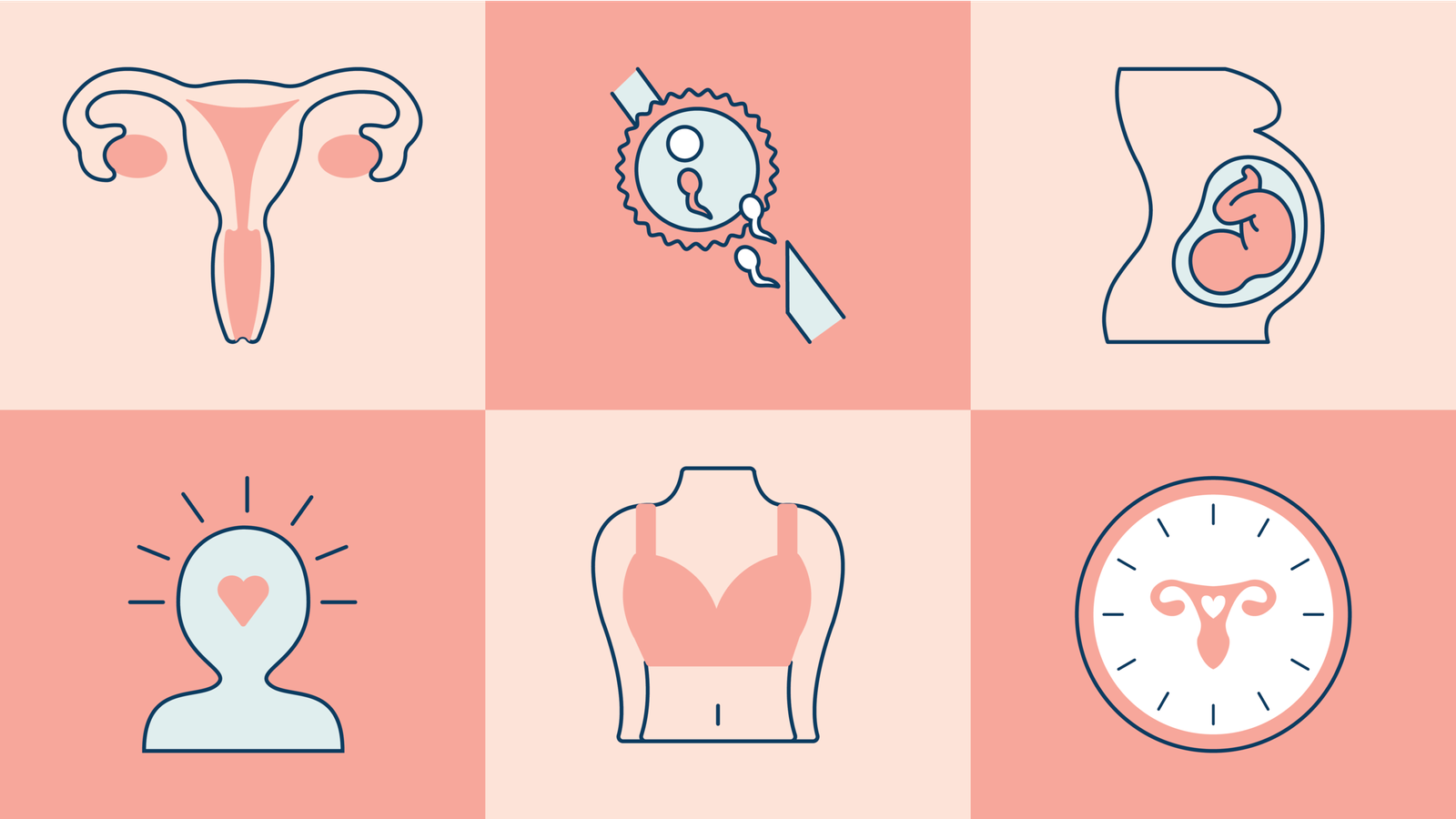
Imagine this: It’s a Tuesday morning, and Sarah, a 32-year-old marketing manager, wakes up with that familiar cramp twisting her gut. She’s been dealing with intense period pain for years, but every doctor visit ends with a shrug and a prescription for painkillers. Fast forward a few months—she joins a new company with robust women’s health benefits. Suddenly, she’s got access to a app that tracks her cycles, connects her to specialists, and even flags potential issues like endometriosis early. Sarah’s story isn’t unique; it’s a glimpse into how targeted health benefits can transform lives. In this article, we’ll dive deep into the six pillars of women’s health benefits, exploring how they empower women, boost productivity, and cut costs for everyone involved. Drawing from real-world examples and expert insights, we’ll unpack each pillar with practical tips, pros and cons, and ways to get started—whether you’re an employee advocating for change or an employer building a better workplace.
Understanding Women’s Health Benefits
Women’s health benefits go beyond basic insurance—they’re tailored programs that address the unique biological, emotional, and social needs women face throughout life. These can include digital tools for tracking symptoms, access to specialized care, and educational resources that make navigating health less overwhelming. In a world where women often juggle careers, families, and self-care, these benefits act as a safety net, preventing small issues from snowballing into major disruptions.
Why Focus on the 6 Pillars?
The six pillars form a comprehensive framework, rooted in the main stages of women’s health journeys, from menstruation to menopause. They matter because traditional health plans often overlook gender-specific needs, leading to higher absenteeism and turnover—stats show women miss more work days due to health issues than men. By investing here, companies see returns like improved retention and lower healthcare costs, while women gain confidence and control over their well-being.
Pillar 1: Reproductive Health
This pillar covers everything from cycle tracking to managing conditions like PCOS or endometriosis, providing tools and support to handle everyday reproductive challenges. It’s the foundation because reproductive issues affect nearly every woman at some point, yet stigma often silences discussions. Remember my friend Lisa? She suffered silently with irregular periods until her employer’s app helped her spot patterns and get a proper diagnosis—turning years of frustration into manageable routines.
Why Reproductive Health Matters
Reproductive health isn’t just about fertility; it’s tied to overall vitality, influencing energy levels, mood, and even career performance. Delays in diagnosis, like the average 8-12 years for endometriosis, lead to unnecessary suffering and billions in lost productivity annually. Prioritizing this pillar empowers women to advocate for themselves, reducing the emotional toll of dismissed concerns.
Key Benefits and Tools
Benefits here include symptom trackers, telehealth consultations, and educational modules that demystify conditions. For instance, apps like Clue or Flo offer free basic tracking, but employer-sponsored versions add expert chats. The payoff? Women report fewer sick days and greater job satisfaction when they feel supported.
- Pros: Early detection prevents complications; boosts mental health by reducing uncertainty.
- Cons: Privacy concerns with data sharing; not all tools are equally accurate for diverse bodies.
| Benefit Type | Example Tool | Cost Savings Potential |
|---|---|---|
| Symptom Tracking | Ovia Health App | Up to 20% reduction in specialist visits |
| Education Resources | Online Webinars | Lower absenteeism by educating on self-care |
| Specialist Access | Telehealth Sessions | Saves $500+ per avoided ER trip |
Pillar 2: Fertility Health
Fertility health benefits support everything from natural conception coaching to covering IVF, IUI, or adoption costs, helping women plan families on their terms. It’s crucial in an era where many delay parenthood for careers, facing higher infertility risks as a result. I once chatted with a colleague who froze her eggs through her job’s program—it gave her peace of mind during a high-stress promotion chase, blending personal goals with professional ones.
The Importance of Fertility Support
With infertility affecting 1 in 8 couples, this pillar addresses emotional and financial strains, where treatments can cost tens of thousands. Benefits reduce risks like multiple births from ART, which spike expenses 20-fold compared to singletons. It’s about equity too—ensuring women don’t have to choose between family and finances.
Best Options for Fertility Benefits
Employers might reimburse up to $10,000 or partner with clinics for discounted services. Tools like Progyny offer personalized plans, while apps provide ovulation predictors. Humor aside, it’s no joke how these perks turn “baby fever” into feasible plans without breaking the bank.
- Pros: Lowers stress; increases loyalty—women stay longer at supportive companies.
- Cons: Coverage limits can still leave gaps; emotional rollercoaster if treatments fail.
Compare natural coaching vs. ART: Coaching is less invasive, cheaper (under $1,000 often), but ART boasts higher success rates for complex cases (up to 50% per cycle).
Pillar 3: Maternity Health
Maternity benefits provide pregnancy monitoring, risk assessments, and telehealth for expectant moms, catching issues early to ensure safer births. In the US, where maternal mortality rates are alarmingly high, this pillar is a lifesaver—literally, as 80% of pregnancy-related deaths are preventable. Think of my cousin who used her maternity app to flag high blood pressure; a quick doctor visit averted a crisis, letting her enjoy those newborn cuddles worry-free.
Why Maternity Care is Essential
Pregnancy costs the economy $75.8 billion yearly, much from avoidable complications. Benefits educate on nutrition, exercise, and red flags, empowering women to advocate during a vulnerable time. It’s emotional too—reducing anxiety means happier, healthier starts for families.
Practical Tools and Where to Find Them
Digital coaches like those from Maven Clinic offer 24/7 support, while in-person doula services add hands-on help. Transactional tip: Check out Carrot Fertility for bundled maternity packages starting at $200/month per employee.
- Pros: Reduces preterm births; enhances bonding post-delivery.
- Cons: Over-reliance on tech might miss nuanced needs; access varies by location.
| Service | Provider Example | User Rating (out of 5) |
|---|---|---|
| Telehealth Consults | Babyscripts | 4.7 |
| Risk Tracking Apps | Ovia Pregnancy | 4.8 |
| Nutrition Guides | What to Expect App | 4.5 |
Pillar 4: Postpartum Mental Health
This pillar targets perinatal mood disorders with screenings, therapy access, and support groups, addressing the silent struggle many new moms face. Affecting 1 in 7 women, PMADs cost $14 billion yearly in untreated cases, impacting work and family life. I recall a neighbor who battled postpartum anxiety alone until her benefit plan connected her to a counselor—her relief was palpable, like shedding an invisible weight.
The Emotional Weight of Postpartum Challenges
Untreated mental health issues lead to higher absenteeism and strained relationships, but early intervention via digital tools changes that. It’s trustworthy care that builds resilience, reminding women they’re not alone in the chaos of new parenthood.
Benefits Breakdown
Screenings through apps like Postpartum Support International’s tools catch issues fast, with therapy options via BetterHelp or employer EAPs. Navigational note: Visit postpartum.net for free resources and hotlines.
- Pros: Improves mother-child bonds; cuts long-term therapy costs.
- Cons: Stigma might deter use; virtual sessions lack in-person warmth.
Pros & Cons Comparison: Digital vs. In-Person Therapy—Digital is convenient (anytime access) but less personal; in-person builds deeper trust but requires scheduling.
Pillar 5: Breast Health
Breast health benefits promote screenings, education on risks, and early detection strategies, crucial since breast cancer strikes every 14 seconds worldwide. This pillar demystifies self-exams and mammograms, encouraging proactive steps that save lives. A light-hearted story: My aunt joked her annual screening was like a “boob spa day,” but seriously, it caught a lump early, turning potential tragedy into a triumph.
Importance for Long-Term Wellness
Early detection boosts survival rates to 99% for localized cases, yet many skip screenings due to fear or forgetfulness. Benefits provide reminders and coverage, fostering a culture of prevention over reaction.
Tools and Transactional Advice
Use apps like Bright Pink for risk assessments; best for under-40s. External link: Susan G. Komen foundation (komen.org) offers free guides.
- Pros: Peace of mind; empowers self-advocacy.
- Cons: False positives cause anxiety; not all insurances cover advanced imaging.
| Screening Type | Recommended Age | Frequency |
|---|---|---|
| Self-Exams | 20+ | Monthly |
| Mammograms | 40+ | Yearly |
| Genetic Testing | High-Risk | As Needed |
Pillar 6: Advanced Women’s Health (Menopause)
Focusing on perimenopause and menopause, this pillar offers symptom tracking, hormone education, and expert advice to manage hot flashes, sleep issues, and more. Women lose 57% more productivity days during this phase, costing $2,100 extra yearly—yet stigma keeps many silent. Emotional appeal: My mom navigated menopause with grace once she had resources; it turned a “crisis” into a new chapter of freedom.
Why Menopause Deserves Attention
Symptoms disrupt work and sleep, but benefits like education reduce absenteeism and healthcare spends. It’s authoritative care that honors women’s evolving bodies, promoting vitality into later years.
Implementing Menopause Support
Tools like the Menopause Society’s app (menopause.org) track symptoms; transactional: Try Midi Health for virtual clinics starting at $99/session.
- Pros: Enhances quality of life; retains experienced talent.
- Cons: Hormonal treatments have risks; cultural taboos persist.
Compare HRT vs. Natural Remedies: HRT relieves symptoms fast (80% effectiveness) but with side effects; naturals like black cohosh are safer but slower.
Comparing Traditional vs. Pillar-Based Benefits
Traditional health plans cover basics like check-ups but miss nuanced women’s needs, leading to higher out-of-pocket costs. Pillar-based approaches integrate all six, potentially saving employers 15-20% on claims by preventing escalations. For example, a company switching to comprehensive benefits saw retention rise 25%, proving the ROI.
| Aspect | Traditional Benefits | Pillar-Based Benefits |
|---|---|---|
| Coverage Scope | General illnesses | Gender-specific stages |
| Cost Efficiency | Reactive, higher long-term | Preventive, lower overall |
| Employee Satisfaction | Moderate | High, with personalization |
Pros and Cons of Implementing the 6 Pillars
- Pros: Holistic support builds loyalty; reduces turnover by 30%; fosters inclusive cultures.
- Cons: Initial setup costs; requires buy-in from leadership; measuring ROI takes time.
People Also Ask (PAA)
What are the 6 pillars of women’s health?
The six pillars include reproductive, fertility, maternity, postpartum mental, breast, and advanced (menopause) health, each offering targeted benefits for women’s unique needs.
Why are women’s health benefits important for employers?
They cut costs on absenteeism and claims while boosting morale—women in supportive workplaces are 2x more likely to stay long-term.
How can I access women’s health benefits?
Start with your HR department; if unavailable, explore apps like Ovia or Maven, or advocate using resources from SHRM.org.
What role does lifestyle play in these pillars?
Lifestyle tweaks like diet and exercise enhance all pillars, amplifying benefits—think yoga for menopause or nutrition for fertility.
FAQ
What is the most overlooked pillar in women’s health benefits?
Postpartum mental health often gets sidelined, yet it affects 1 in 7 women—early screenings can prevent costly escalations.
How do these pillars help with work-life balance?
By addressing health proactively, they reduce sick days and stress, letting women thrive at home and work—internal link to our guide on balancing career and fertility.
What are the best tools for tracking reproductive health?
Apps like Flo or Natural Cycles are user-friendly; for employer plans, Ovia integrates seamlessly with benefits.
Can men benefit from understanding these pillars?
Absolutely—partners gain empathy, and inclusive policies improve overall workplace health.
Where to get started with menopause support?
Visit the North American Menopause Society (menopause.org) for free resources, or check employer EAPs for counseling.
In wrapping up, the six pillars aren’t just benefits—they’re lifelines that honor women’s journeys with compassion and practicality. From Sarah’s empowered tracking to my mom’s menopause mastery, these stories show real change happens when health is prioritized. If you’re reading this, take that first step: Talk to your doctor, explore an app, or pitch these to your boss. Your well-being is worth it, and the ripple effects? Priceless