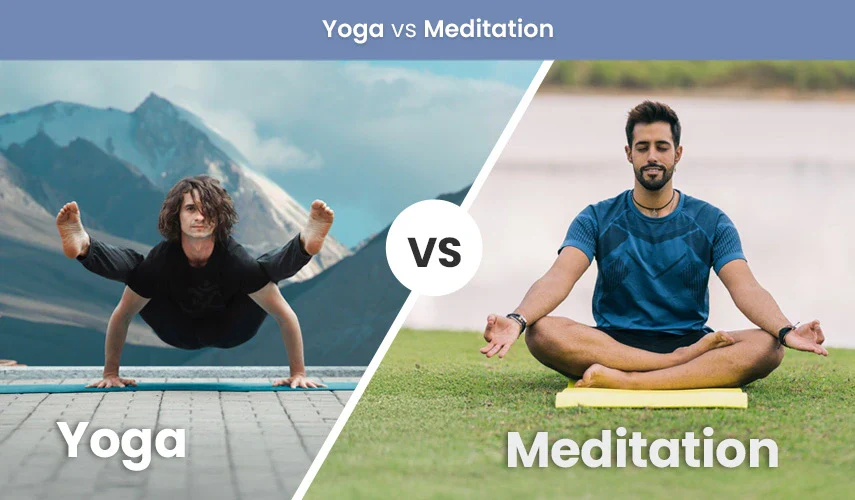
Hey there, friend. Picture this: It’s a crisp morning in my old apartment, the kind where sunlight sneaks through the blinds like it’s playing hide-and-seek. I was in my mid-20s, juggling a hectic job and feeling like my mind was a hamster on a never-ending wheel. One day, a buddy dragged me to a yoga class, promising it’d “fix everything.” I showed up skeptical, mat in hand, and ended up twisted like a pretzel, sweating buckets. But afterward? This weird calm washed over me. Fast forward a few months, and I tried meditation solo—sitting cross-legged on my couch, eyes closed, trying not to think about lunch. It was frustrating at first, like herding cats in my brain, but eventually, it clicked, offering a quiet I didn’t know I needed. That personal flip-flop between the two got me hooked on exploring their differences. If you’re here wondering the same—what sets yoga apart from meditation?—you’re in good company. These ancient practices both promise peace in our chaotic world, but they tackle it from angles as distinct as a sprint versus a slow walk. In this deep dive, we’ll unpack their roots, how they work, and why one might click for you over the other. No fluff, just real insights drawn from years of practice and a ton of research. Let’s roll out the mat and get into it.
Understanding Yoga
Yoga isn’t just trendy poses on Instagram—it’s a full-on lifestyle that’s been around for thousands of years, blending body, breath, and spirit in ways that can transform how you move through life. At its core, it’s about union, connecting your physical self with something deeper, whether that’s inner peace or a higher power. I’ve found it to be like a reset button for days when everything feels off-kilter.
History of Yoga
Yoga traces back to ancient India, around 5,000 years ago, popping up in texts like the Vedas and later refined in Patanjali’s Yoga Sutras around 400 CE. It started as a spiritual path for sages seeking enlightenment, evolving over centuries into the physical practice we know today, thanks to influences from gurus like Swami Vivekananda who brought it West in the late 1800s. What strikes me is how it’s adapted— from temple rituals to modern studios—without losing its essence of balance.
Key Components of Yoga
Think of yoga as a toolkit: asanas (those postures) build strength and flexibility, pranayama (breath control) steadies your energy, and elements like yamas (ethical guidelines) guide daily living. It’s not all sweat; there’s meditation woven in, but the physical side shines, making it accessible for anyone from beginners to pros. I love how a simple downward dog can shift my mood faster than coffee.
Types of Yoga
From gentle Hatha to intense Ashtanga, yoga varieties cater to different vibes—Vinyasa flows like a dance, while Yin holds poses for deep stretches. Bikram heats things up in a hot room, and Kundalini focuses on energy awakening through chants and breaths. Picking one depends on your goals; I started with Hatha to ease in without overwhelming my newbie body.
Understanding Meditation
Meditation, on the other hand, is like turning down the volume on life’s noise, inviting you to sit with your thoughts without judgment. It’s a mental workout that sharpens focus and fosters calm, often done in stillness, though it can sneak into daily moments like walking or eating. For me, it’s become that reliable friend who helps unpack emotional baggage I didn’t even know I was carrying.
History of Meditation
Meditation’s roots dig deep into ancient traditions, appearing in Hindu scriptures around 1500 BCE and Buddhist teachings from the 6th century BCE, with figures like the Buddha emphasizing mindfulness. It spread globally, influencing Taoism in China and even early Christian contemplative practices. What’s cool is its timeless appeal—monks in caves to apps on your phone, it’s evolved but stayed true to cultivating awareness.
Key Components of Meditation
At heart, it’s about presence: techniques like focusing on breath, repeating mantras, or scanning the body for sensations. No fancy gear needed—just time and patience. Unlike yoga’s movement, it’s introspective, training the mind to observe rather than react, which has helped me navigate stressful work calls with way more grace.
Types of Meditation
Mindfulness keeps you anchored in the now, loving-kindness builds compassion through well-wishes, while transcendental uses mantras for transcendence. Vipassana dives into insight via body sensations, and Zen emphasizes sitting in simplicity. I dip into mindfulness most days; it’s straightforward and fits my busy schedule without much setup.
Key Differences Between Yoga and Meditation
While both nurture well-being, yoga leans physical with poses that challenge your body, whereas meditation zeros in on the mind’s quiet spaces. Yoga often requires space and time for sequences, but meditation can happen anywhere, even in a quick five-minute break. The humor in it? Yoga might leave you sore but satisfied; meditation could leave you blissed out or baffled by your wandering thoughts.
| Aspect | Yoga | Meditation |
|---|---|---|
| Focus | Physical postures, breath, and alignment | Mental awareness, focus, and stillness |
| Practice Style | Active movement, often in classes | Seated or still, solo or guided |
| Duration | 30-90 minutes per session | 5-20 minutes daily |
| Tools Needed | Mat, blocks, comfortable clothes | Cushion or chair optional |
| Primary Benefits | Flexibility, strength, stress relief | Mental clarity, emotional balance, reduced anxiety |
This table highlights how yoga builds a bridge between body and mind, while meditation dives straight into mental depths. In my experience, yoga preps the body for meditation’s stillness, making them perfect partners rather than rivals.
Physical vs. Mental Emphasis
Yoga demands bodily engagement—stretching muscles, holding balances—that boosts circulation and tones up. Meditation, though, is all brain game, rewiring thought patterns without breaking a sweat. It’s like yoga says, “Move to find peace,” while meditation whispers, “Sit and let peace find you.”
Time and Accessibility
Yoga classes might run an hour, needing a studio or online setup, which can feel daunting for beginners. Meditation slips into pockets of time—like during commutes—making it super accessible. I’ve meditated on trains, but trying yoga there? That’d be a comedy show waiting to happen.
Cultural and Philosophical Roots
Yoga stems from Hindu philosophy, emphasizing dharma and self-realization through eight limbs. Meditation spans broader, from Buddhist insight to secular mindfulness. Both seek enlightenment, but yoga’s path is holistic, incorporating ethics and lifestyle, while meditation often stands alone as a tool for insight.
Similarities Between Yoga and Meditation
Don’t get me wrong—they overlap beautifully, both rooting in ancient wisdom to reduce stress and enhance self-awareness. Breath is a common thread, linking yoga’s pranayama to meditation’s focused inhales. Emotionally, they’ve both pulled me through tough times, like when a family loss hit hard, offering solace in shared principles of presence and compassion.
Shared Benefits for Mind and Body
Both dial down cortisol, improving sleep and mood—studies from sites like the Mayo Clinic show reduced anxiety in practitioners. They foster mindfulness, helping you respond rather than react to life’s curveballs. For me, combining them amplified these perks, turning good days great.
Breath as a Common Ground
Pranayama in yoga mirrors meditation’s breath focus, regulating the nervous system for calm. It’s that simple act of inhaling deeply that bridges them, easing tension whether you’re in warrior pose or lotus position.
Spiritual Connections
Many traditions view them as paths to higher consciousness—yoga’s union with the divine echoes meditation’s quest for inner truth. They’ve both deepened my sense of connection, making mundane moments feel profound.
Benefits of Yoga
Yoga’s perks go beyond the mat: it builds core strength, improves posture, and even aids digestion through twists. Mentally, it sharpens focus and combats depression, as backed by Harvard Health research. I remember post-yoga glows where aches melted away, leaving me energized for the day.
Pros and Cons of Yoga
- Pros: Enhances flexibility, boosts endorphins, community in classes.
- Cons: Risk of injury if pushed too hard, requires space and time.
It’s rewarding but demands consistency—skip a week, and that tightness creeps back.
Benefits of Meditation
Meditation shines in mental realms, lowering blood pressure and enhancing emotional resilience, per NIH studies. It cultivates patience, which has saved me in arguments, turning potential blowups into calm talks.
Pros and Cons of Meditation
- Pros: Quick to start, portable, deep stress relief.
- Cons: Mind wandering frustrates beginners, results take time.
Once it clicks, though, it’s like unlocking a superpower for daily life.
How to Choose Between Yoga and Meditation
Listen to your needs—if your body’s stiff from desk work, yoga might call; if your mind races, try meditation. Start small: a 10-minute app session or free YouTube class. I switched based on mood, and it kept things fresh without overwhelm.
For Beginners: Where to Start
New to yoga? Check online platforms like Yoga with Adriene on YouTube for gentle flows. For meditation, apps like Headspace guide you step-by-step. Both have free trials—dip your toes without commitment.
Best Tools and Resources
Grab a non-slip yoga mat from brands like Manduka for stability, or a meditation cushion from Zafu for comfort. Books like “Light on Yoga” by B.K.S. Iyengar offer depth, while Calm app blends both practices seamlessly.
Combining Yoga and Meditation
Why choose when you can blend? Many classes end with Savasana, a meditative pose that marries them. I’ve found morning yoga followed by evening meditation creates bookends of peace, amplifying benefits like better sleep and mood.
Sample Routine for Both
Start with 20 minutes of sun salutations, then sit for 10 minutes focusing on breath. Tools like Insight Timer app provide guided sessions combining them—perfect for busy folks.
People Also Ask
Is Yoga a Form of Meditation?
Not exactly, but it includes meditative elements like focused breathing during poses. Traditional yoga views meditation as one of its eight limbs, so they’re intertwined, yet yoga adds physicality that standalone meditation skips.
Can Yoga Replace Meditation?
It can mimic some benefits, like mindfulness through movement, but meditation’s deep mental dive is unique. If you’re active, yoga might suffice initially, but for pure mind training, add dedicated sits.
Which Is Better for Anxiety: Yoga or Meditation?
Both help, but meditation often edges out for quick mental resets, per studies on mindfulness-based stress reduction. Yoga’s movement can release pent-up tension, making it great for physical anxiety symptoms.
What Is Yoga Nidra and How Does It Differ from Meditation?
Yoga Nidra is guided relaxation, like a conscious sleep state, differing from meditation’s active awareness. It’s restorative, often used for insomnia, while meditation builds focus over time.
FAQ
What are the main health benefits of yoga versus meditation?
Yoga boosts physical health like flexibility and strength, while meditation excels in mental clarity and stress reduction. Both improve overall wellness, but yoga adds cardiovascular perks.
How long should I practice yoga or meditation daily?
Aim for 20-30 minutes of yoga three times a week, or 10-15 minutes of meditation daily. Consistency trumps duration—start small to build habits.
Can beginners do yoga and meditation at home?
Absolutely—free resources abound. For yoga, follow beginner videos; for meditation, use apps. No fancy setup needed, just a quiet spot.
Are there any risks with yoga or meditation?
Yoga might cause strains if form’s off—learn from pros. Meditation can surface emotions; if intense, consult a therapist. Both are generally safe.
Where can I find reliable classes or guides?
Sites like ClassPass for in-person yoga, or online via Peloton. For meditation, try Insight Timer or local mindfulness centers. Always check reviews for quality.
In wrapping up, the difference between yoga and meditation boils down to action versus introspection, yet they complement each other like peanut butter and jelly. Whether you roll out a mat or simply close your eyes, both paths lead to a more centered you. I’ve woven them into my life, and the payoff—clearer thoughts, stronger body, deeper joy—has been immense. If you’re ready to try, start today; your future self will thank you. For more on wellness, check internal guides on beginner routines or external links like Mayo Clinic’s yoga overview. Stay balanced out there.